
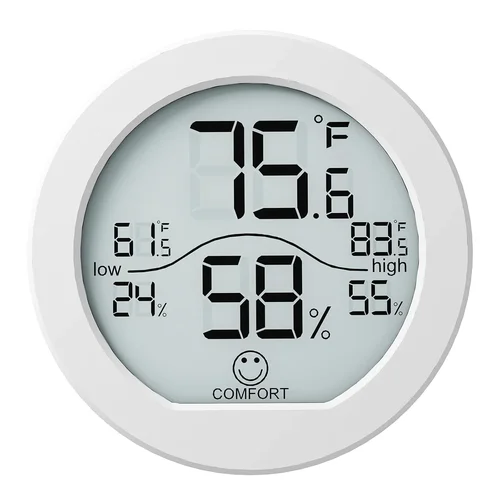
Complete Temperature Buying Guide 2026
May 19, 2026
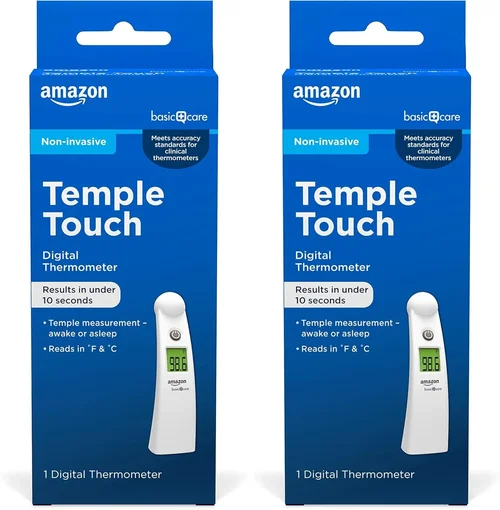
Temperature measurement is no longer just about checking the weather or setting your thermostat. In 2026, accurate temperature monitoring plays a critical role in everything from home health and food safety to industrial automation, scientific research, and smart home integration. Whether you’re buying a thermometer for your kitchen, a thermal camera for home inspections, or a precision lab-grade sensor, understanding what to look for can save you money, improve safety, and ensure reliable performance.
This comprehensive guide is designed to help you navigate the rapidly evolving world of temperature measurement devices. We’ll walk you through the key factors to consider, compare different types of thermometers and sensors, highlight common pitfalls, and provide expert-backed recommendations tailored to various needs and budgets. By the end, you’ll have the knowledge to make a confident, informed decision—no matter your application.
The market for temperature devices has exploded in recent years, driven by advances in sensor technology, wireless connectivity, and AI-powered analytics. From infrared thermometers that read body temperature in seconds to smart thermostats that learn your habits, the options are vast and often overwhelming. But not all devices are created equal. Some prioritize speed, others accuracy; some are built for rugged environments, while others focus on sleek design and app integration. This guide cuts through the noise to deliver practical, up-to-date advice based on real-world testing and industry insights.

What to Look for When Buying Temperature Devices
1. Accuracy and Precision
Accuracy refers to how close a temperature reading is to the true value, while precision indicates consistency across repeated measurements. For medical or scientific use, even a 0.5°F (0.3°C) deviation can be significant. Look for devices with certified accuracy ratings—such as ±0.2°F or better—and check if they’ve been validated by third-party labs like NIST or ISO. Infrared thermometers, for example, often specify accuracy at a certain distance-to-spot ratio (e.g., 12:1), which affects reliability.
2. Measurement Range
Different applications require vastly different temperature ranges. A kitchen thermometer might only need to measure between 32°F and 500°F (0°C to 260°C), while an industrial thermal camera could need to detect temperatures from -40°F to over 2,000°F (-40°C to 1,093°C). Always match the device’s range to your intended use. Using a consumer-grade thermometer in a high-heat environment can damage the sensor or yield unsafe readings.
3. Response Time
How quickly a device delivers a reading matters—especially in time-sensitive scenarios like checking a fever or monitoring a grill. Digital thermometers typically respond in 3–10 seconds, while infrared models can give instant results. However, faster isn’t always better: ultra-fast readings may sacrifice accuracy. For cooking, a response time under 5 seconds is ideal; for medical use, balance speed with clinical-grade precision.
4. Sensor Type and Technology
The core technology determines performance. Common types include:
- Thermocouples: Durable and wide-ranging, ideal for industrial use.
- RTDs (Resistance Temperature Detectors): Highly accurate and stable, common in labs.
- Thermistors: Sensitive and fast, often used in medical devices.
- Infrared (IR) Sensors: Non-contact, great for surface temps but affected by emissivity.
Choose based on your environment: IR for non-contact needs, RTDs for precision, thermocouples for extreme conditions.
5. Build Quality & Durability
A $20 thermometer might work fine in a kitchen, but if you’re using it in a commercial kitchen, construction site, or outdoor setting, durability is non-negotiable. Look for water-resistant (IP65 or higher), shock-resistant designs, and probes made from food-safe stainless steel. For industrial users, check for certifications like ATEX (for explosive environments) or MIL-STD for ruggedness.
6. Connectivity and Smart Features
Modern temperature devices often include Bluetooth or Wi-Fi, allowing data logging, remote monitoring, and integration with apps or smart home systems. A smart meat thermometer, for instance, can alert your phone when the roast reaches the perfect internal temp. While convenient, these features add cost and complexity—only invest if they solve a real problem for you.
7. Ease of Use and Readability
A cluttered display, tiny buttons, or confusing menus can turn a simple task into a frustration. Opt for devices with large, backlit LCDs, intuitive interfaces, and clear labeling. Audio alerts, color-coded readings (e.g., red for fever), and one-touch operation are especially helpful for caregivers or busy cooks.
8. Calibration and Maintenance
Even the best sensors drift over time. Check if the device allows user calibration (e.g., ice bath method for thermometers) or requires professional servicing. Some high-end models include auto-calibration features. Regular maintenance—like cleaning probes or replacing batteries—also impacts long-term reliability.
Different Types of Temperature Devices

Common Buying Mistakes to Avoid
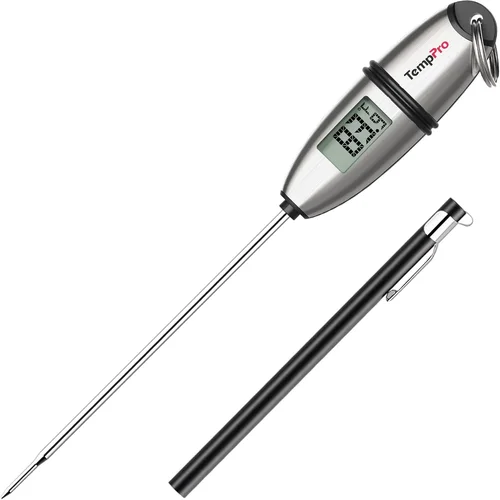
❌ Mistake: Prioritizing Price Over Accuracy
Why it’s bad: A cheap thermometer may seem like a bargain, but inaccurate readings can lead to undercooked food, missed fevers, or equipment damage. In medical or industrial contexts, this can have serious consequences.
What to do instead: Invest in a device with verified accuracy specs and positive professional reviews. Think of it as a long-term tool, not a disposable gadget.
❌ Mistake: Ignoring Environmental Conditions
Why it’s bad: Using a plastic-bodied thermometer near an open flame or in a freezer can cause melting or sensor failure. Similarly, IR thermometers struggle on shiny or reflective surfaces.
What to do instead: Match the device’s operating environment specs (temperature, humidity, exposure) to your actual use case. Read the manual!
❌ Mistake: Overlooking Calibration Needs
Why it’s bad: Even high-quality sensors drift over time. Without periodic calibration, readings become unreliable—especially critical in food safety or lab work.
What to do instead: Choose devices that support easy calibration (like ice-point testing) or offer factory recalibration services.
❌ Mistake: Buying Based on Brand Alone
Why it’s bad: A trusted brand doesn’t guarantee the right tool for your needs. Some brands excel in medical devices but offer mediocre kitchen thermometers.
What to do instead: Focus on features, specs, and real user feedback—not just logos. Cross-check with independent review sites.
❌ Mistake: Neglecting Battery Life and Power Options
Why it’s bad: A dead battery at a crucial moment—like during a long smoke session or patient check—is frustrating and potentially dangerous.
What to do instead: Look for devices with long battery life (or rechargeable options), low-battery indicators, and easy replacement.
❌ Mistake: Assuming All “Smart” Features Are Useful
Why it’s bad: Wi-Fi, apps, and cloud sync sound impressive, but they add cost, complexity, and potential privacy risks—especially if you just need a simple reading.
What to do instead: Only buy smart features if they solve a specific problem (e.g., remote monitoring while grilling). Otherwise, stick to reliable analog or basic digital models.
Budget Guidelines: How Much Should You Spend?
- Entry-Level ($10–$30): Ideal for occasional home use. Expect basic digital thermometers with moderate accuracy and plastic builds. Great for checking room temp or simple cooking tasks—but avoid for critical applications.
- Mid-Range ($30–$100): The sweet spot for most buyers. These offer better accuracy, faster response times, durable materials, and often include useful extras like backlights or memory recall. Perfect for home cooks, parents, and DIYers.
- Premium ($100–$500): For enthusiasts and professionals. Think lab-grade RTD thermometers, multi-probe smart systems, or high-resolution thermal cameras. Expect superior build quality, advanced features, and reliable support.
- Luxury ($500+): Reserved for industrial, medical, or scientific use. These include calibrated thermal imaging cameras, traceable sensors, and enterprise-grade monitoring systems. Only necessary for specialized environments.
Expert Tips for Getting the Best Deal
- Buy during seasonal sales: Look for discounts around Black Friday, Prime Day, or back-to-school season—especially for smart home and kitchen gadgets.
- Check refurbished or open-box options: Reputable retailers like Amazon Renewed or manufacturer-certified refurbished units offer significant savings with full warranties.
- Compare total cost of ownership: Factor in battery replacements, probe replacements, or subscription fees for cloud services. A cheaper upfront price may cost more long-term.
- Read professional and user reviews: Sites like Wirecutter, CNET, and Reddit communities often reveal real-world performance issues not obvious in specs.
- Test before you commit (if possible): In-store demos let you check display clarity, button feel, and ease of use—especially important for medical devices.
- Verify warranty and return policies: A 2–3 year warranty is standard for quality devices. Ensure returns are hassle-free in case the product doesn’t meet expectations.
- Consider bundled kits: Multi-probe thermometer sets or thermal camera + software packages often offer better value than buying components separately.

Frequently Asked Questions
Q: Are infrared thermometers safe for measuring body temperature?
A: Yes, when used correctly. They emit no radiation—they only detect heat emitted by the body. However, forehead readings can be affected by sweat, ambient temperature, or distance. For clinical accuracy, follow manufacturer guidelines and consider oral or ear thermometers for infants.
Q: Can I use a kitchen thermometer for checking fever?
A: No. Kitchen thermometers aren’t designed or calibrated for human body temperature and may give dangerously inaccurate readings. Always use a medical-grade device for health monitoring.
Q: How often should I calibrate my thermometer?
A: For home use, once a year is sufficient. For commercial kitchens or labs, calibrate before each shift or according to regulatory standards. Use an ice bath (32°F/0°C) or boiling water (212°F/100°C at sea level) for quick checks.
Q: Why do I get different readings from the same object?
A: Factors like distance (for IR thermometers), surface emissivity, air currents, or probe placement can cause variance. Ensure consistent technique and environmental conditions for reliable results.
Q: Do smart thermometers require internet?
A: Not always. Many work via Bluetooth to a phone app without Wi-Fi. Full remote access (e.g., checking grill temp from work) usually requires internet connectivity.
Q: What’s the difference between “instant-read” and “leave-in” thermometers?
A: Instant-read models are for quick checks and removed immediately (e.g., checking steak doneness). Leave-in types stay in the food during cooking and often connect to timers or alarms—ideal for roasts or smoking.
Q: Can thermal cameras detect fever?
A: Some are marketed for this, but they’re not medical devices. They measure surface skin temperature, which can be influenced by many factors. Always confirm with a proper thermometer.
Q: Are there eco-friendly temperature devices?
A: Yes. Look for models with rechargeable batteries, recyclable packaging, and long lifespans. Some brands now offer solar-powered or low-energy designs.
Our Final Recommendations
- Best for Budget-Conscious Buyers: ThermoPro TP03 Digital Instant-Read Thermometer – Reliable, accurate, and under $20. Perfect for basic cooking and home use.
- Best Overall Value: Etekcity Lasergrip 774 Infrared Thermometer – Great for non-contact surface checks, priced around $40, with solid build and clear display.
- Best Premium Option: ThermoWorks Thermapen ONE – Industry-standard for chefs, 1-second read time, ±0.5°F accuracy, and rugged design. Worth the $100 investment for serious cooks.
- Best for Beginners: Vicks ComfortFlex Digital Thermometer – Simple, affordable ($15), and gentle for kids. Includes fever guidance and flexible tip.
- Best for Advanced Users: FLIR C5 Thermal Camera – Compact, Wi-Fi enabled, and ideal for home inspectors or HVAC technicians. Priced around $700, it delivers professional-grade imaging in a pocket-sized tool.
Conclusion: Making the Right Choice
Choosing the right temperature device isn’t just about picking the shiniest gadget or the cheapest option—it’s about matching the right tool to your specific needs, environment, and expectations. Whether you’re monitoring a baby’s fever, perfecting a brisket, or diagnosing an overheating circuit, accuracy, reliability, and ease of use should guide your decision.
Remember: a thermometer is only as good as its application. Take time to assess your priorities—do you need speed, precision, durability, or connectivity? Read reviews, compare specs, and don’t hesitate to invest a little more for peace of mind. In 2026, with so many innovative options available, there’s never been a better time to get the temperature right—every time.
Now that you’re equipped with expert knowledge, go forth and measure with confidence. Your food, your health, and your projects will thank you.