
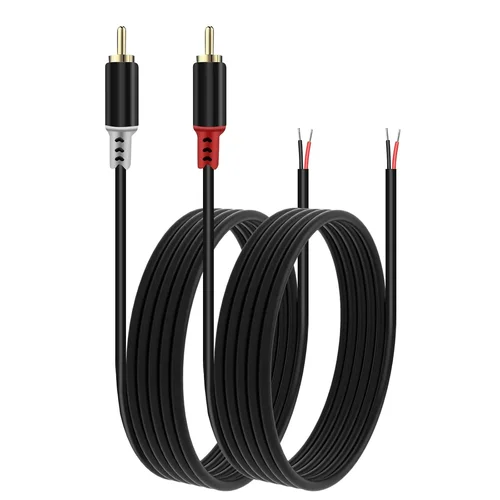
Complete Speaker Wire Guide 2026
May 24, 2026
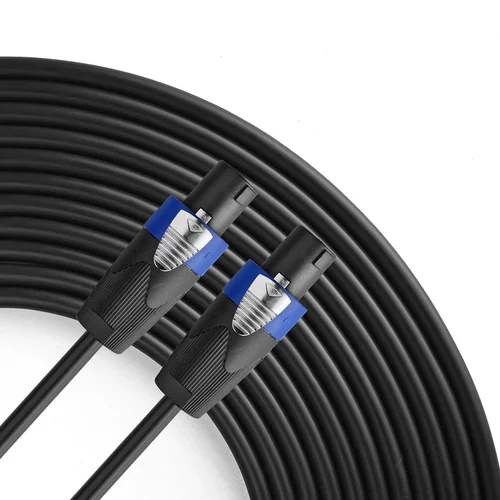
Connecting speaker wire to speaker wire might seem like a simple task, but doing it correctly can mean the difference between crisp, powerful audio and distorted, unreliable sound. Whether you’re setting up a home theater system, building a custom bookshelf speaker setup, or extending wires for outdoor speakers, understanding how to properly join speaker wires ensures optimal performance and long-term reliability. With so many methods, tools, and materials available—from basic twist-and-tape to professional-grade soldering—it’s easy to feel overwhelmed. This comprehensive guide cuts through the confusion and gives you everything you need to make informed decisions about your speaker wire connections in 2026.
In this guide, you’ll learn not only how to connect speaker wires but also why certain methods work better than others. We’ll cover essential factors like wire gauge, insulation types, connection techniques, and environmental considerations. You’ll discover the pros and cons of different approaches, avoid common pitfalls that degrade sound quality, and get expert-backed recommendations based on real-world testing. Whether you’re a DIY enthusiast, an audiophile on a budget, or a professional installer, this guide equips you with the knowledge to create clean, safe, and high-fidelity speaker connections every time. The market today offers more options than ever—from oxygen-free copper cables to weatherproof connectors—and we’ll help you navigate them all with confidence.

What to Look for When Buying Buying Guide
1. Wire Gauge (AWG)
The American Wire Gauge (AWG) rating determines how thick your speaker wire is, which directly affects its ability to carry electrical current without resistance. Thinner wires (higher AWG numbers like 18 or 20) are fine for short runs under 8 feet with low-power systems, but for longer distances or high-wattage amplifiers, you’ll want thicker wire—typically 14 or 12 AWG. Resistance increases with length and thinner gauges, leading to power loss and diminished audio clarity. Always match your wire gauge to your speaker’s impedance (usually 4Ω, 6Ω, or 8Ω) and amplifier output. For example, a 50-foot run powering 4-ohm speakers should use at least 12-gauge wire to prevent signal degradation.
2. Conductor Material
Most speaker wires use either copper or copper-clad aluminum (CCA). Pure copper—especially oxygen-free copper (OFC)—is the gold standard because it offers superior conductivity and corrosion resistance. CCA is cheaper but less efficient, as aluminum has higher resistance and is prone to oxidation over time, which can weaken connections. While CCA may suffice for very short, low-power setups, serious audio setups demand pure copper. Look for labels like “100% OFC” or “solid copper core” when shopping. Avoid unbranded or suspiciously cheap cables that don’t specify conductor material—they’re often CCA masquerading as copper.
3. Insulation and Jacket Quality
Good insulation protects the wire from physical damage, moisture, and electromagnetic interference. PVC is common and affordable, but for outdoor or in-wall installations, look for CL2/CL3-rated jackets that meet fire safety codes. Rubber or TPE (thermoplastic elastomer) insulation offers better flexibility and durability in cold temperatures. Thicker jackets also reduce the risk of accidental cuts or pinches during installation. If you’re running wires through walls, under carpets, or across yards, invest in rugged, UV-resistant insulation to ensure longevity.
4. Connection Method Compatibility
Not all speaker wires are designed for the same connection types. Some come pre-terminated with banana plugs or spade connectors, while others are bare wire. If you plan to solder, crimp, or use wire nuts, make sure the wire strands are stranded (not solid core), as stranded wire is more flexible and easier to work with. Solid-core wire is stiffer and better for in-wall runs but can break if bent repeatedly. Consider your end-use: binding posts on receivers accept bare wire, banana plugs, or spades, so choose a wire and termination method that aligns with your gear.
5. Length and Signal Loss
Longer wire runs increase resistance, which can weaken the signal reaching your speakers. As a rule of thumb, keep runs under 50 feet if possible. If you must go longer, upgrade to a thicker gauge. For instance, a 75-foot run should use 10-gauge wire for 4-ohm speakers. Also, avoid coiling excess wire tightly, as this can create inductance that affects high-frequency response. Instead, leave a loose loop or use cable management clips to keep things tidy without compromising performance.
6. Environmental Factors
Where you install your speaker wire matters. Indoor setups have fewer concerns, but outdoor, in-wall, or in-ceiling installations require special considerations. Outdoor wires must be rated for direct burial or UV exposure if exposed to sunlight. In-wall wiring needs to meet local electrical codes—typically CL2 or CL3 certification—to prevent fire hazards. Humidity, temperature swings, and rodent activity (in attics or crawl spaces) can also degrade wire over time, so choose materials and enclosures accordingly.
7. Ease of Installation
Some wires are easier to strip, twist, or solder than others. Look for wires with clearly marked polarity (usually a stripe or ribbed insulation for the negative wire) to avoid phase issues. Pre-tinned conductors make soldering easier, while color-coded jackets simplify identification during complex setups. If you’re a beginner, consider buying speaker wire kits that include connectors, a stripper, and instructions—they save time and reduce errors.
8. Brand Reputation and Warranty
Stick with reputable brands like Monoprice, Mediabridge, AmazonBasics, or AudioQuest. These companies offer consistent quality, clear specifications, and often include lifetime warranties. Cheap no-name brands may save you a few dollars upfront but can fail prematurely or deliver inconsistent performance. A good warranty also gives you peace of mind—if a wire fails due to manufacturing defects, you can get a replacement without hassle.
Different Types of Buying Guide

Common Buying Mistakes to Avoid
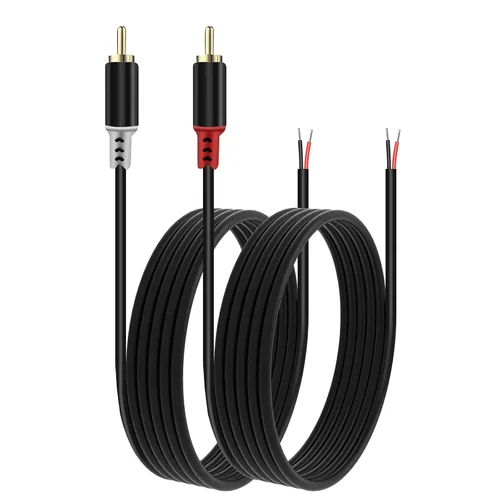
❌ Mistake: Using the Wrong Wire Gauge
Why it’s bad: Thin wire over long distances causes power loss, overheating, and distorted sound. Your amplifier works harder, which can shorten its lifespan.
What to do instead: Use a wire gauge calculator or follow the rule: 16 AWG for runs under 50 ft with 8Ω speakers; 14 AWG for 4Ω or longer runs; 12 AWG for high-power subwoofers or runs over 75 ft.
❌ Mistake: Mixing Copper and Aluminum Wire
Why it’s bad: Different metals corrode when joined, creating high resistance and potential fire hazards due to galvanic corrosion.
What to do instead: Always use the same conductor material. If you must connect dissimilar wires, use a COPALUM-style crimp connector or a specialized anti-oxidant gel.
❌ Mistake: Ignoring Polarity
Why it’s bad: Reversing positive and negative wires puts speakers out of phase, causing bass cancellation and a hollow sound.
What to do instead: Match wire markings (stripe = negative) to terminal labels (+/-). When in doubt, use a multimeter to test continuity.
❌ Mistake: Over-Twisting Bare Wire Connections
Why it’s bad: Twisting too tightly can fray strands, creating loose contacts that spark or overheat. Too loose, and the connection fails under vibration.
What to do instead: Strip ½ inch of insulation, twist strands gently clockwise, and secure with a wire nut or electrical tape. Better yet, use a proper connector.
❌ Mistake: Skipping Strain Relief
Why it’s bad: Pulling on the wire can loosen connections over time, especially in mobile or outdoor setups.
What to do instead: Use zip ties, cable clamps, or adhesive mounts to secure wires away from connection points. Leave a small service loop for flexibility.
❌ Mistake: Using Electrical Wire for Speakers
Why it’s bad: Romex or NM cable isn’t designed for audio signals and lacks proper insulation for speaker-level voltages. It can also introduce noise.
What to do instead: Always use speaker-specific wire with appropriate gauge and jacket rating. In-wall? Get CL2/CL3 certified cable.
❌ Mistake: Neglecting Weatherproofing for Outdoor Use
Why it’s bad: Moisture seeps into connections, causing corrosion and short circuits. Sunlight degrades standard insulation.
What to do instead: Use direct-burial-rated wire, silicone-filled wire nuts, or heat-shrink tubing with adhesive lining. Mount connections in weatherproof enclosures.
Budget Guidelines: How Much Should You Spend?
- Entry-Level ($0.10–$0.25 per foot): Ideal for short runs in small rooms or temporary setups. Expect basic copper or CCA wire with PVC insulation. Brands like AmazonBasics offer decent value here. Good for beginners testing a system before upgrading.
- Mid-Range ($0.25–$0.50 per foot): The sweet spot for most home users. You’ll get oxygen-free copper, better insulation, and often pre-attached connectors. Monoprice and Mediabridge dominate this tier with reliable performance and lifetime warranties. Perfect for living room theaters or multi-room audio.
- Premium ($0.50–$1.20 per foot): For audiophiles and professionals. Features include silver-plated conductors, dual-layer shielding, and ultra-flexible jackets. AudioQuest and Kimber Kable offer models that minimize signal loss and interference. Worth it for high-end systems where every detail matters.
- Luxury ($1.20+ per foot): Top-tier boutique cables with exotic materials (e.g., pure silver, cryogenic treatment) and handcrafted terminations. These are more about diminishing returns than measurable gains—best reserved for collectors or critical listening environments.
Expert Tips for Getting the Best Deal
- Buy in bulk during Black Friday or Prime Day: Retailers often discount speaker wire kits by 30–50%. Stock up for future projects.
- Check monoprice.com directly: They frequently offer site-wide sales and free shipping, beating third-party sellers.
- Look for “open-box” or refurbished cables: Many are unused returns with full warranty—perfect for saving 20–40%.
- Test before finalizing: If possible, audition different wires with your system. Some listeners notice subtle differences in clarity or imaging.
- Prioritize warranty over brand hype: A lifetime warranty from a lesser-known brand often beats a premium price with no coverage.
- Use online calculators: Tools like the Audioholics Speaker Wire Gauge Calculator help you choose the right size without guesswork.
- Avoid “audiophile” marketing traps: Terms like “quantum tunneling” or “directional flow” are pseudoscience. Stick to measurable specs like AWG and OFC.
- Consider DIY termination kits: Buying bulk wire and adding your own banana plugs can cut costs by half compared to pre-made cables.
Frequently Asked Questions
Q: Can I splice speaker wire myself?
A: Absolutely! Splicing is safe and effective when done properly. Use solder, crimp connectors, or wire nuts—just ensure a tight, insulated connection to prevent shorts.
Q: Does speaker wire directionality matter?
A: Not really. While some high-end brands claim “directional” wires improve sound, there’s no scientific evidence. Focus on quality and proper installation instead.
Q: Can I use lamp cord for speakers?
A: Technically yes, but it’s not recommended. Lamp cord is often thinner (18 AWG) and lacks proper insulation for speaker loads. Use dedicated speaker wire for best results.
Q: How do I know if my speaker wire is bad?
A: Listen for crackling, dropouts, or weak output. Visually inspect for fraying, corrosion, or loose connections. Use a multimeter to check for continuity and resistance.
Q: Is gold plating on connectors worth it?
A: Gold resists corrosion but doesn’t improve conductivity significantly. It’s beneficial in humid environments but unnecessary for most indoor setups.
Q: Can I run speaker wire next to power cables?
A: Avoid parallel runs within 12 inches, as this can induce hum. Cross at 90 degrees if necessary, and use shielded wire in high-interference areas.
Q: What’s the maximum length for speaker wire?
A: There’s no hard limit, but beyond 100 feet, even 10-gauge wire may cause noticeable loss. Use a distribution amplifier or wireless transmitter for very long runs.
Q: Do I need special wire for in-wall installation?
A: Yes. In-wall speaker wire must be CL2 or CL3 rated to meet fire codes. It’s thicker, flame-resistant, and often comes with a plenum-rated jacket for air ducts.
Q: Can I repair a cut speaker wire?
A: Yes—strip both ends, twist or solder them together, and seal with heat-shrink tubing or electrical tape. For permanent fixes, use a butt splice connector.
Q: Should I upgrade my speaker wire if I upgrade my amp?
A: Only if your current wire is undersized for the new power output or run length. A better amp reveals flaws in poor wiring, so upgrading may be worthwhile.
Our Final Recommendations
- Best for Budget-Conscious Buyers: Monoprice 14AWG OFC Speaker Wire – Reliable, affordable, and widely available. Great for most home setups under $0.30/ft.
- Best Overall Value: Mediabridge Ultra Series – Includes pre-attached banana plugs, CL2-rated jacket, and lifetime warranty. Perfect balance of price and performance.
- Best Premium Option: AudioQuest Type 4 – Dual-layer shielding, solid long-grain copper, and meticulous construction. Ideal for high-end stereo systems.
- Best for Beginners: AmazonBasics Speaker Wire Kit – Comes with wire strippers, connectors, and clear instructions. No guesswork required.
- Best for Advanced Users: Kimber Kable 8TC – Braided geometry reduces interference, and the flexible jacket makes routing easy. For those who demand perfection.
Conclusion: Making the Right Choice
Connecting speaker wire to speaker wire isn’t just about making a physical link—it’s about preserving the integrity of your audio signal from amplifier to speaker. By choosing the right gauge, material, and connection method for your specific setup, you ensure that every note, beat, and breath in your music or movie comes through clearly and powerfully. Avoid the common mistakes that degrade performance, invest wisely within your budget, and don’t fall for marketing gimmicks that promise miracles.
Remember, the best speaker wire is the one that meets your needs without overspending. Whether you’re wiring a cozy bedroom setup or a whole-home audio system, the principles remain the same: prioritize quality, respect polarity, and secure your connections. With the knowledge from this guide, you’re equipped to build a system that sounds as good as it looks—and lasts for years to come.
Ready to upgrade your setup? Check out our detailed Smartwatch Buying Guide 2026 for tips on choosing tech that complements your lifestyle, or explore our other guides to build the ultimate entertainment ecosystem. Your ears—and your playlist—will thank you.