
Best Men’s Watches Under $1000 Guide 2026
May 15, 2026
When it comes to choosing a quality men’s watch under $1000, the options can feel overwhelming. With countless brands, styles, and features flooding the market, it’s easy to get lost in the details—especially when you’re trying to balance style, durability, and value. That’s exactly why this guide exists. Whether you’re shopping for your first serious timepiece or upgrading from a basic quartz watch, understanding what truly matters in a sub-$1000 watch can save you time, money, and buyer’s remorse.
In this comprehensive buying guide, you’ll learn how to cut through the noise and identify watches that offer real craftsmanship, reliable performance, and timeless design—all within your budget. We’ll break down the key factors every buyer should consider, compare different watch types, highlight common pitfalls, and share expert-backed recommendations based on real-world testing and user feedback. By the end, you’ll have a clear roadmap to help you choose a watch that not only looks great on your wrist but also stands the test of time.
The men’s watch market under $1000 is surprisingly rich with high-quality options. From Japanese mechanical marvels to Swiss-made classics and rugged field watches, there’s something for every lifestyle and aesthetic preference. While luxury Swiss brands often dominate headlines, many exceptional timepieces from brands like Seiko, Citizen, Hamilton, and Tissot deliver outstanding value in this price range. This guide will help you navigate that landscape with confidence.

What to Look for When Buying a Men’s Watch Under $1000
1. Movement Type: Quartz vs. Mechanical
The movement—or caliber—is the engine of your watch and one of the most critical decisions you’ll make. Quartz movements are battery-powered, highly accurate, low-maintenance, and typically more affordable. They’re ideal for everyday wear and those who prioritize convenience. Mechanical movements, on the other hand, are hand-assembled marvels of engineering that use a mainspring and escapement to keep time. They require regular winding (manual) or motion (automatic) and offer a tactile, traditional charm that many collectors adore.
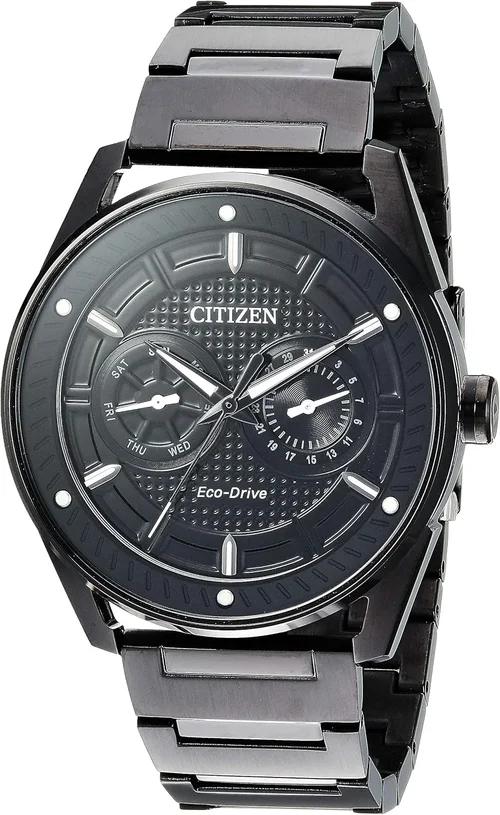
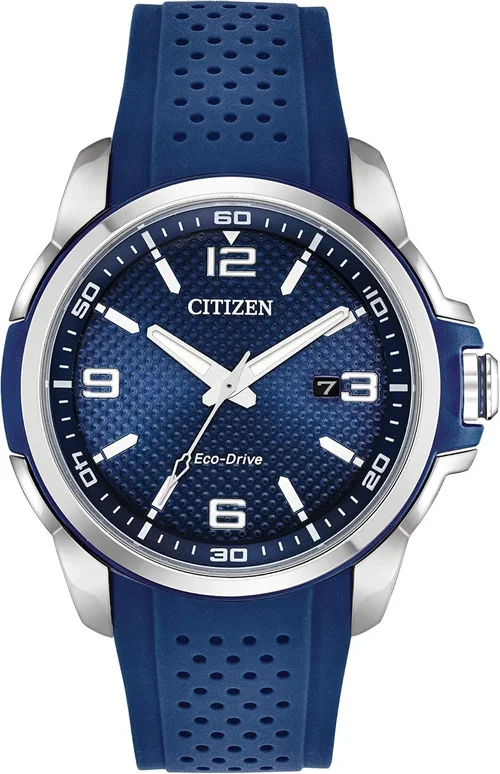
In the under-$1000 range, you can find excellent automatic watches from brands like Seiko and Orient, as well as premium quartz models with advanced features like solar charging (Citizen Eco-Drive) or atomic timekeeping (Casio Wave Ceptor). Your choice depends on whether you value precision and ease (quartz) or craftsmanship and heritage (mechanical).
2. Build Quality & Materials
A watch’s longevity hinges on its materials. Look for cases made from stainless steel (316L grade is ideal for corrosion resistance), sapphire or hardened mineral crystal (sapphire is scratch-resistant but pricier), and bracelets or straps built to endure daily wear. Avoid plated metals or flimsy plastic components—they may look good initially but degrade quickly.
Water resistance is another key indicator of build quality. A rating of 100 meters (10 ATM) is sufficient for swimming and snorkeling, while 200 meters suits recreational diving. Always check the fine print: “water-resistant” doesn’t always mean “swim-proof.”
3. Size & Comfort
A beautiful watch can be ruined by poor fit. Consider your wrist size: men with smaller wrists (under 6.5 inches) should look for case diameters under 40mm, while larger wrists can comfortably wear 42–44mm watches. Lug-to-lug distance matters even more—it determines how the watch sits across your wrist. A 42mm watch with long lugs may overhang on a small wrist.
Weight and thickness also affect comfort. Heavy dive watches might feel cumbersome for all-day office wear, while ultra-thin dress watches may lack presence. Try before you buy when possible, or rely on detailed sizing guides from reputable retailers.
4. Brand Reputation & Heritage
Not all brands are created equal. Established names like Seiko, Citizen, Hamilton, and Tissot have decades of horological expertise and consistent quality control. They also offer better long-term support, spare parts availability, and resale value. Lesser-known or “microbrand” watches can offer unique designs and great value, but research their customer service reputation and warranty policies carefully.
Avoid counterfeit-prone or overly trendy brands that prioritize aesthetics over mechanics. A reputable brand ensures your investment is protected.
5. Features & Functionality
Think about how you’ll use your watch. Do you need a chronograph for timing events? A GMT function for travel? Luminous hands for low-light visibility? Date windows are common, but ensure the date changes smoothly at midnight—not gradually over hours.
Smart features like heart rate monitoring or GPS are rare under $1000 unless you opt for a hybrid smartwatch (e.g., Withings or Fossil Hybrid HR), but these often sacrifice traditional watchmaking appeal. For pure timekeeping, stick to analog displays with practical complications.
6. Warranty & After-Sales Support
A solid warranty is a sign of manufacturer confidence. Most reputable brands offer 2–5 years of coverage against defects. Check if the warranty is international or region-specific—travelers should prioritize global service networks. Also, verify whether authorized dealers (not just third-party sellers) honor the warranty.
Customer support responsiveness matters too. Can you easily get a replacement strap or battery? Is there a local service center? Brands like Seiko and Citizen have extensive service networks, making maintenance hassle-free.
7. Style & Versatility
Your watch should complement your wardrobe. A versatile piece—like a black dial stainless steel watch with a leather or metal bracelet—can transition from casual Friday to formal dinner. Avoid overly bold colors or oversized cases unless they align with your personal style.
Consider the “dressiness” scale: field watches and dive watches lean casual/sporty, while minimalist designs with slim profiles work for business attire. Having one versatile watch is often smarter than buying multiple niche pieces—especially on a budget.
8. User Reviews & Real-World Feedback
Specs don’t tell the whole story. Read verified buyer reviews on trusted platforms like Amazon, Watchuseek, or Reddit’s r/Watches. Pay attention to comments about accuracy, comfort, durability, and customer service. A watch with 1,000 five-star reviews but no detailed feedback may be suspicious—authentic reviews often mention minor flaws or quirks.
Look for long-term users (6+ months) who discuss wear and tear. This reveals how the watch holds up beyond the honeymoon phase.
Different Types of Men’s Watches Under $1000

Common Buying Mistakes to Avoid
❌ Mistake: Prioritizing Brand Over Function
Why it’s bad: Buying a recognizable name just for status often leads to overpaying for basic specs or poor ergonomics. Some “luxury” brands under $1000 use cheap movements masked by flashy logos.
What to do instead: Focus on movement quality, materials, and fit. A lesser-known brand with a Miyota or Seiko NH35 movement often outperforms a branded quartz watch with no heritage.
❌ Mistake: Ignoring Wrist Size Compatibility
Why it’s bad: A 46mm dive watch might look imposing in photos but overwhelm a slender wrist, making it uncomfortable and visually unbalanced.
What to do instead: Measure your wrist and compare it to the watch’s case diameter and lug-to-lug length. Use online sizing tools or printable templates from watch forums.
❌ Mistake: Overlooking Serviceability
Why it’s bad: A beautiful watch is useless if you can’t get it serviced locally or affordably. Some brands charge exorbitant fees for simple battery changes.
What to do instead: Choose brands with widespread service networks (e.g., Seiko, Citizen) or ensure third-party watchmakers can service the model.
❌ Mistake: Falling for “Too Good to Be True” Deals
Why it’s bad: Deep discounts on luxury-looking watches often indicate counterfeits, gray-market imports (voiding warranties), or discontinued models with known flaws.
What to do instead: Buy from authorized dealers or reputable retailers like Jomashop, Long Island Watch, or brand websites. Verify serial numbers when possible.
❌ Mistake: Neglecting the Strap/Bracelet
Why it’s bad: A cheap, stiff, or poorly finished strap ruins an otherwise great watch. It affects comfort, durability, and resale value.
What to do instead: Ensure the strap is made of quality leather, solid-link stainless steel, or durable rubber. Quick-release pins are a bonus for easy customization.
❌ Mistake: Skipping the Return Policy Check
Why it’s bad: Watches are personal—what looks good online may not suit your wrist or expectations. Non-returnable purchases lock you into a bad fit.
What to do instead: Only buy from retailers offering at least 14–30 days to return or exchange. Test the watch in natural light and during different activities.
Budget Guidelines: How Much Should You Spend?
– Entry-Level ($100–$300): Ideal for first-time buyers or those needing a reliable daily wearer. Expect quartz or basic automatic movements, mineral crystal, and functional designs. Brands like Casio, Timex, and Orient shine here. Great for students or casual users.
– Mid-Range ($300–$600): The sweet spot for most buyers. You’ll find in-house or high-quality third-party automatics (Seiko 4R, Miyota 8215), sapphire crystal options, and better finishing. Models like the Seiko Presage or Hamilton Khaki Field offer exceptional value.
– Premium ($600–$900): For enthusiasts seeking refinement. Look for Swiss-made automatics (Tissot, Hamilton), anti-magnetic features, exhibition casebacks, and superior lume. These watches balance heritage and modern reliability.
– Luxury Adjacent ($900–$1000): Near the threshold of entry-level Swiss luxury. Brands like Christopher Ward or Monta offer COSC-certified movements and hand-finished details. Perfect if you’re building a collection or want a “forever” watch.
Expert Tips for Getting the Best Deal
– Shop during holiday sales: Black Friday, Cyber Monday, and end-of-year clearances often feature 20–40% off reputable brands. Sign up for newsletters to get early access.
– Buy from authorized dealers: They offer full warranties and authentic products. Gray-market sellers may be cheaper but void your coverage.
– Consider pre-owned or NOS (New Old Stock): Vintage-inspired models or discontinued versions can offer premium features at lower prices. Use trusted platforms like WatchBox or Chrono24.
– Check return and exchange policies: A flexible return window lets you test the watch risk-free. Avoid retailers with restocking fees.
– Negotiate gently: Some brick-and-mortar stores may offer discounts or free shipping if you ask—especially on display models.
– Bundle accessories: Look for deals that include extra straps, travel cases, or cleaning kits—they add value without inflating the base price.
– Read the fine print on water resistance: “Water-resistant to 100m” doesn’t mean you should shower with it. Understand ISO standards if you plan aquatic activities.

Frequently Asked Questions
Q: Can I get a Swiss-made automatic watch under $1000?
A: Yes—but with caveats. Brands like Tissot, Hamilton, and Mido offer Swiss automatics in this range, though they may use ETA or Sellita movements rather than in-house calibers. These are still excellent, reliable watches with strong heritage.
Q: Is sapphire crystal worth the extra cost?
A: Absolutely, if you’re prone to scratches. Sapphire is nearly as hard as diamond and resists everyday abrasions far better than mineral glass. Over time, it keeps your watch looking new.
Q: How often do automatic watches need servicing?
A: Every 5–7 years, depending on usage. A full service (cleaning, oiling, pressure testing) typically costs $150–$300. Quartz watches only need battery changes every 1–3 years.
Q: Are solar watches reliable?
A: Very. Citizen’s Eco-Drive and Casio’s Tough Solar are proven technologies. They charge via indoor light and hold power for months—ideal for low-maintenance users.
Q: Should I buy a watch with a date function?
A: Only if you use it. Date windows add complexity and can affect aesthetics. Some purists prefer clean dials without them.
Q: Can I wear my watch while exercising?
A: It depends. Dive and field watches handle sweat and impact well. Dress watches may suffer from moisture or scratches. For intense workouts, consider a dedicated sports watch or remove your timepiece.
Q: What’s the difference between “water-resistant” and “waterproof”?
A: No watch is truly waterproof. “Water-resistant” indicates tested depth ratings under static conditions. Always follow manufacturer guidelines—don’t press buttons underwater unless specified.
Q: How do I know if a watch will fit my wrist?
A: Measure your wrist circumference and compare it to the watch’s case diameter and lug-to-lug length. Online communities like r/Watches have sizing guides and user photos for reference.
Our Final Recommendations
– Best for Budget-Conscious Buyers: Seiko 5 SNK809 – A legendary field watch under $100 with automatic movement, day-date display, and rugged charm. Perfect entry point into mechanical watches.
– Best Overall Value: Hamilton Khaki Field Mechanical – Swiss-made, hand-wound, with military heritage and exceptional legibility. Priced around $500, it punches well above its weight.
– Best Premium Option: Tissot PRX Powermatic 80 – Retro-integrated bracelet design, 80-hour power reserve, and Swiss engineering under $800. A modern classic.
– Best for Beginners: Citizen Eco-Drive BM8180-03E – Solar-powered, ultra-durable, and nearly indestructible. Ideal for those who want reliability without maintenance.
– Best for Advanced Users: Orient Star RE-AU0301B – In-house automatic with sapphire crystal, power reserve indicator, and open heart dial. Offers near-luxury specs under $700.
Conclusion: Making the Right Choice
Choosing the best men’s watch under $1000 isn’t about finding the most expensive or flashiest option—it’s about aligning your purchase with your lifestyle, values, and long-term needs. Whether you prioritize mechanical artistry, everyday durability, or minimalist elegance, the sub-$1000 segment offers incredible diversity and value.
Remember to focus on movement quality, build materials, comfort, and brand support. Avoid impulsive buys based solely on looks, and always verify warranty and return policies. And if you’re weighing other tech investments, consider how a quality watch compares to gadgets like the best budget smartphones in 2026 or even a new laptop for productivity—sometimes timeless craftsmanship outweighs fleeting tech trends.
Ultimately, the right watch is one that feels like an extension of yourself—reliable, refined, and ready for whatever the day brings. Take your time, do your research, and invest wisely. Your perfect timepiece is out there.