
Best Men’s Watch Buying Guide 2026
May 15, 2026
Watches have evolved far beyond their original purpose of simply telling time. For modern men, a watch is a statement piece—a blend of personal style, technical precision, and everyday utility. Whether you’re dressing for a boardroom meeting, heading out on a weekend adventure, or just looking to elevate your everyday look, the right timepiece can make all the difference. With countless options flooding the market in 2026, choosing the best men’s watch can feel overwhelming. That’s why this comprehensive buying guide exists: to cut through the noise, simplify your decision, and help you find a watch that truly fits your lifestyle, budget, and aesthetic.
In this guide, you’ll learn how to evaluate watches like a seasoned connoisseur. We’ll walk you through the essential factors to consider—from movement type and build quality to style and functionality—so you can make an informed choice. You’ll also discover the different categories of men’s watches, common pitfalls to avoid, and expert-backed tips to get the best value. Whether you’re shopping for your first quality timepiece or adding to a growing collection, this guide equips you with everything you need to choose wisely.
The watch market in 2026 is more diverse than ever. From minimalist smartwatches to rugged dive watches and classic dress pieces, there’s something for every taste and need. Brands like Rolex, Omega, Seiko, Casio, and Garmin continue to innovate, while emerging players bring fresh designs and competitive pricing. With sustainability and craftsmanship gaining importance, many buyers are also prioritizing ethical sourcing and long-term durability. This guide will help you navigate these trends and find a watch that’s not just stylish, but built to last.
What to Look for When Buying Buying Guide
1. Budget & Price Range
Your budget is the foundation of your watch-buying journey. Watches span an enormous price spectrum—from under $50 to well over $50,000—so defining your spending limit early prevents overspending or settling for poor quality. A realistic budget helps narrow your options and ensures you get the best value within your means. Remember, a higher price doesn’t always mean better performance; sometimes, mid-range models offer exceptional quality at a fraction of luxury brand costs.
When setting your budget, consider not just the upfront cost but also long-term value. A $300 watch that lasts 10 years may be a better investment than a $100 watch that needs replacing every two. Also, factor in potential maintenance, battery replacements (for quartz), or servicing (for mechanical watches). If you’re new to watch ownership, starting with a reliable mid-tier model is often smarter than splurging on a luxury piece you might not fully appreciate yet.
2. Movement Type: Quartz, Automatic, or Manual?
The movement—or caliber—is the engine of your watch and determines how it keeps time. Quartz movements, powered by a battery, are highly accurate, low-maintenance, and affordable. They’re ideal for everyday wear and are found in brands like Casio and Citizen. Automatic (or self-winding) movements use the motion of your wrist to power the watch, eliminating the need for batteries. They’re prized for their craftsmanship and smooth sweeping second hands, common in brands like Seiko and Tissot.
Manual movements require daily winding but offer a traditional, tactile experience favored by collectors. Each type has pros and cons: quartz is reliable but lacks the mechanical charm; automatics are elegant but need regular wear or a watch winder. Your lifestyle should guide your choice—busy professionals may prefer quartz for convenience, while enthusiasts might lean toward automatics for their artistry.
3. Build Quality & Durability
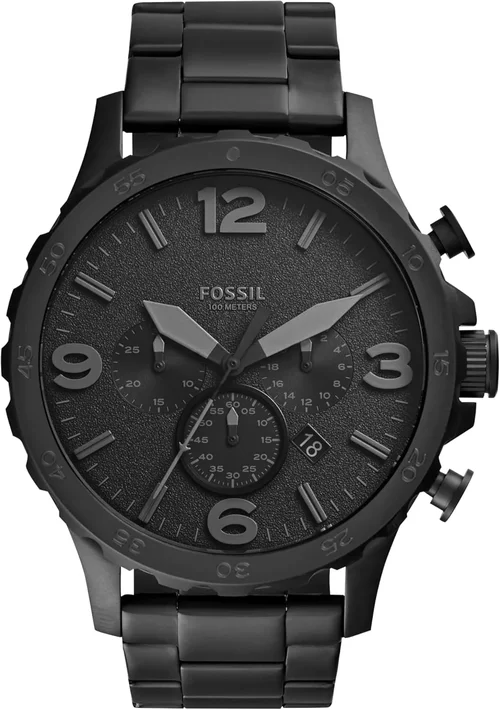
A watch’s materials and construction determine how well it withstands daily wear. Look for cases made from stainless steel, titanium, or ceramic—these resist scratches and corrosion. Sapphire crystal is the gold standard for glass, offering superior scratch resistance compared to mineral or acrylic. Water resistance is another critical factor; a rating of 100 meters (10 ATM) or higher is ideal for swimming and snorkeling, while 30–50 meters suits splashes and handwashing.
Check the bracelet or strap: stainless steel bracelets are durable and classic, while leather adds elegance but requires more care. Rubber or NATO straps are great for sports and outdoor use. Also, examine the clasp mechanism—deployment buckles and fold-over clasps are more secure than simple pin buckles. A well-built watch should feel solid and balanced on your wrist, not flimsy or overly heavy.
4. Style & Aesthetic Fit
Your watch should complement your personal style and wardrobe. Dress watches are sleek, minimalist, and perfect for formal occasions—think thin profiles, leather straps, and neutral colors. Sport watches are rugged, functional, and often feature chronographs, tachymeters, and bold dials. Dive watches, like the Seiko Prospex or Rolex Submariner, are built for underwater use with rotating bezels and high water resistance.
Casual or everyday watches strike a balance—versatile enough for work and weekend wear. Consider color schemes: black, silver, and navy are universally flattering, while bold colors make a statement. Also, think about versatility—can the watch transition from a suit to a t-shirt? A timeless design with clean lines tends to age better than trendy, overly ornate styles.
5. Size & Comfort
Watch size matters more than you might think. A watch that’s too large can look comical; one too small may seem delicate or outdated. The case diameter (measured in millimeters) should suit your wrist size: 38–42mm is ideal for most men, while larger wrists can pull off 44–46mm. Thickness also affects comfort—thinner watches slide easily under shirt cuffs, while thicker ones make a bold statement.
Try on watches whenever possible. A watch should sit comfortably without pinching or sliding. The lug-to-lug distance (the space between the ends of the case) is crucial—if it extends past your wrist bone, the watch will feel unbalanced. Weight is another factor: titanium is lighter than steel, which some prefer for all-day wear. Comfort is key—you’ll only wear a watch you love.
6. Features & Functionality
Beyond telling time, modern watches offer a range of features. Chronographs (stopwatch functions) are popular for their sporty look and utility. GMT functions allow tracking of multiple time zones—great for travelers. Luminous hands and markers ensure readability in the dark. Some watches include altimeters, compasses, or heart rate monitors, especially in outdoor or smartwatch categories.
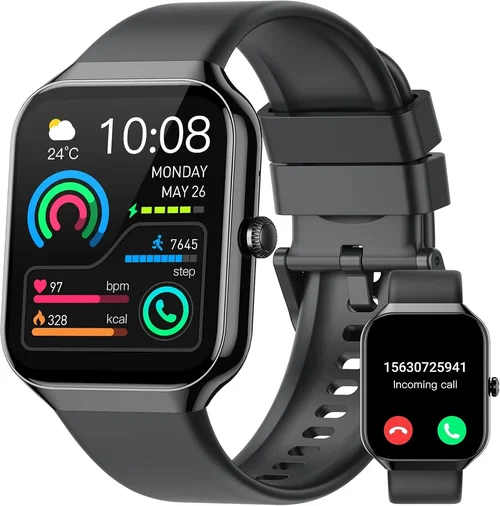
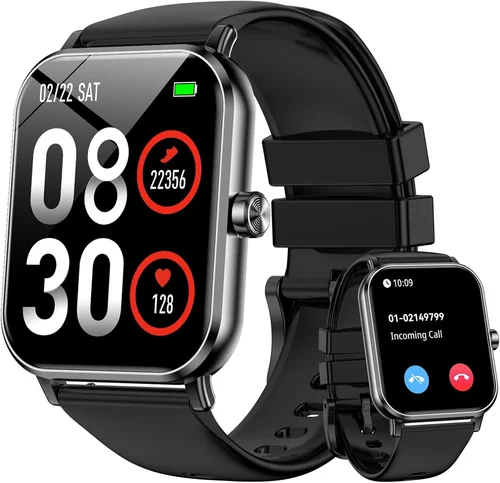
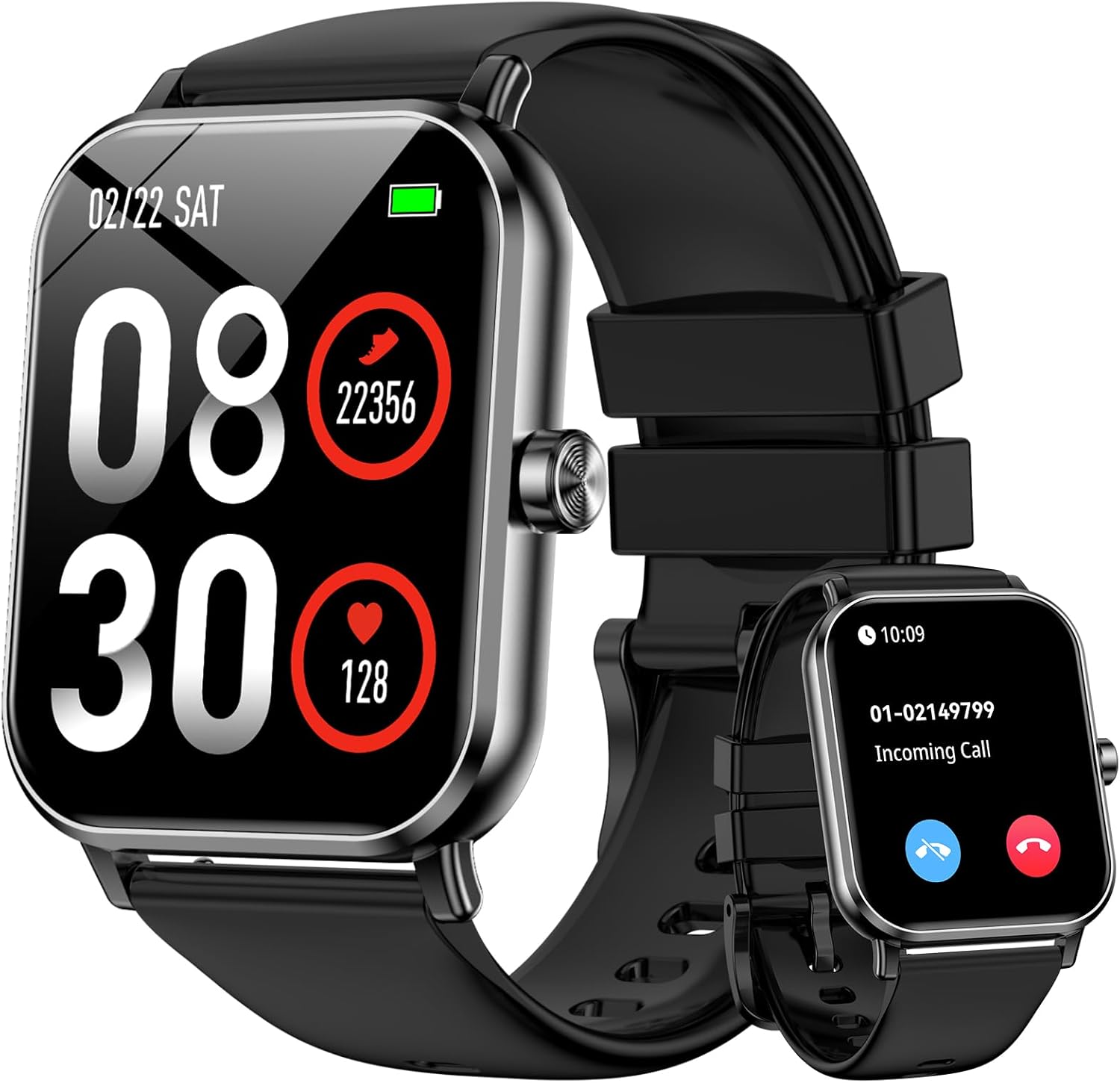
Smartwatches, like the Apple Watch or Garmin Fenix, blend traditional timekeeping with fitness tracking, notifications, and apps. However, they require charging and may lack the longevity of mechanical watches. Decide whether you need advanced tech or prefer a simpler, battery-free experience. Overloading on features can complicate use—focus on what you’ll actually use.
7. Brand Reputation & Heritage
Brand matters—not just for status, but for reliability and resale value. Established brands like Rolex, Omega, and Patek Philippe have centuries of watchmaking expertise and rigorous quality control. Japanese brands like Seiko and Citizen offer excellent value with innovative technology. Swiss brands are synonymous with precision, while German brands like Nomos emphasize minimalist design.
Emerging brands and microbrands often deliver unique designs at lower prices, but research their reputation and customer service. Read reviews and check forums like Watchuseek or Reddit’s r/watches. A reputable brand ensures better after-sales support, easier servicing, and higher confidence in your purchase.
8. Warranty & After-Sales Support
A solid warranty protects your investment. Most quality watches come with a 2–5 year international warranty covering manufacturing defects. Check what’s included—some exclude water damage or battery replacements. Also, consider service availability: can you easily find an authorized service center near you? Brands with global networks (like Seiko or Citizen) offer more convenience.
Read the fine print: some warranties require registration or proof of purchase. Keep your receipt and warranty card safe. For high-end watches, consider extended warranties or insurance, especially if you travel frequently. Good after-sales support can save you time and money in the long run.
Different Types of Buying Guide

Common Buying Mistakes to Avoid
❌ Mistake: Prioritizing Brand Over Fit
Why it’s bad: Buying a Rolex just because it’s prestigious, even if it doesn’t suit your wrist or lifestyle, leads to regret. A watch that doesn’t feel right won’t get worn.
What to do instead: Focus on comfort, size, and functionality first. A well-fitting Seiko might serve you better than an ill-suited luxury piece.
❌ Mistake: Ignoring Water Resistance Ratings
Why it’s bad: Assuming “water-resistant” means you can swim with any watch. Many watches rated 30m aren’t safe for swimming.
What to do instead: Check the ATM rating. 100m or higher is needed for swimming; 200m+ for diving. When in doubt, consult the manual.
❌ Mistake: Overlooking Strap Options
Why it’s bad: A great watch can be ruined by a poor strap. Leather cracks, rubber degrades, and cheap metals corrode.
What to do instead: Invest in quality straps or plan to replace them. NATO, leather, and metal bracelets offer versatility and durability.
❌ Mistake: Buying Based on Trends Alone
Why it’s bad: Trendy designs (like oversized bezels or neon dials) go out of style quickly, making your watch look dated.
What to do instead: Choose timeless designs with clean lines. Classic styles remain stylish for decades.
❌ Mistake: Skipping Research on Movement
Why it’s bad: Not understanding quartz vs. automatic can lead to frustration—like needing a winder for an automatic you rarely wear.
What to do instead: Match the movement to your habits. Quartz for low maintenance, automatic for daily wear or collection.
❌ Mistake: Neglecting Warranty and Service
Why it’s bad: A broken watch with no service network becomes a paperweight. Some brands have limited global support.
What to do instead: Choose brands with strong service networks. Register your watch and keep documentation safe.
Budget Guidelines: How Much Should You Spend?
- Entry-Level ($50 – $200): Great for beginners. Expect quartz movements, basic features, and decent build quality. Brands like Casio, Timex, and Seiko 5 offer excellent value. Ideal for casual wear or as a starter piece.
- Mid-Range ($200 – $800): The sweet spot for most buyers. You’ll find automatics, better materials, and more refined designs. Seiko Presage, Tissot, and Hamilton offer strong options. These watches balance quality, style, and price.
- Premium ($800 – $3,000): For enthusiasts and professionals. Expect Swiss movements, sapphire crystals, and superior craftsmanship. Brands like Longines, Oris, and Christopher Ward shine here. These watches often hold value well.
- Luxury ($3,000+): Top-tier features, heritage, and exclusivity. Rolex, Omega, and Patek Philippe dominate this tier. These are investments, status symbols, and heirlooms—ideal for collectors or special occasions.
Expert Tips for Getting the Best Deal
- Shop During Sales: Black Friday, Cyber Monday, and end-of-season sales offer significant discounts. Japanese brands often have New Year sales.
- Buy from Authorized Retailers: Ensures authenticity and warranty validity. Avoid gray market sellers unless you’re experienced.
- Consider Pre-Owned: Certified pre-owned watches from reputable dealers can save 20–40% off retail. Great for luxury models.
- Check Return Policies: A 14–30 day return window lets you test the watch at home. Ensure it’s hassle-free.
- Test Before Buying: If possible, try on multiple watches. Comfort and appearance can differ from photos.
- Read User Reviews: Look beyond marketing. Real-world feedback on durability, accuracy, and comfort is invaluable.
- Negotiate: In boutiques or independent stores, polite negotiation can sometimes yield discounts or free straps.

Frequently Asked Questions
Q: How often do automatic watches need servicing?
A: Every 3–5 years. Regular servicing ensures accuracy and longevity. Neglecting it can lead to costly repairs.
Q: Can I wear my watch while swimming?
A: Only if it’s rated 100m or higher. Check the manual—some “water-resistant” watches aren’t safe for submersion.
Q: What’s the difference between a chronograph and a regular watch?
A: A chronograph has stopwatch functionality with additional subdials. It’s useful for timing events but doesn’t affect timekeeping accuracy.
Q: Are smartwatches worth it for non-tech users?
A: Only if you value fitness tracking or notifications. For pure timekeeping, a traditional watch is simpler and longer-lasting.
Q: How do I know if a watch fits my wrist?
A: The case should not extend past your wrist bone. Try it on—comfort and balance are key. Use online size guides if shopping online.
Q: Do leather straps need special care?
A: Yes. Avoid water, oil, and direct sunlight. Condition them occasionally to prevent cracking.
Q: Can I replace the strap myself?
A: Most watches use spring bars—easy to swap with a tool. Some require screw-down bars, which need a screwdriver.
Q: Is a higher price always better?
A: Not necessarily. Mid-range watches often offer the best value. Focus on fit, features, and build quality over price alone.
Our Final Recommendations
- Best for Budget-Conscious Buyers: Casio G-Shock DW5600 – Rugged, reliable, and iconic. Perfect for daily wear under $100.
- Best Overall Value: Seiko 5 SNK809 – Automatic movement, classic design, and under $150. A gateway to mechanical watches.
- Best Premium Option: Tissot PRX Powermatic 80 – Swiss automatic, 80-hour power reserve, and retro-futuristic style under $700.
- Best for Beginners: Timex Weekender – Affordable, interchangeable straps, and timeless design. Great first watch.
- Best for Advanced Users: Omega Speedmaster Professional – The Moonwatch. Legendary heritage, manual-wind movement, and unmatched history.
Conclusion: Making the Right Choice
Choosing the best men’s watch in 2026 isn’t about picking the most expensive or flashiest model—it’s about finding a timepiece that aligns with your lifestyle, values, and personal taste. From understanding movement types and build quality to avoiding common pitfalls and shopping smart, this guide has equipped you with the knowledge to make a confident decision. Remember, the right watch isn’t just about telling time; it’s about expressing who you are.
Take your time, do your research, and prioritize what matters most to you. Whether you’re drawn to the precision of quartz, the artistry of automatics, or the innovation of smartwatches, there’s a perfect match out there. And when you find it, you’ll wear it not just as an accessory, but as a trusted companion through life’s moments—big and small.
Ready to explore more? Check out our guide on best laptop 2026 top picks tested reviewed for tech that complements your lifestyle, or dive into best budget smartphones in 2026 if you’re upgrading your mobile setup. For those interested in home appliances, our best washing machine buying guide 2026 offers expert insights. And if you’re curious about audio gear, don’t miss our earphone faq best picks expert tips for 2026.