
Best Luxury Watches Buying Guide 2026
May 15, 2026
Luxury watches have long been more than just timekeeping devices—they’re symbols of craftsmanship, heritage, and personal style. In 2026, the market for high-quality timepieces under $10,000 has never been more exciting or accessible. Whether you’re a first-time buyer stepping into the world of mechanical watches or a seasoned collector looking to expand your collection with a refined piece, this guide is designed to help you make a smart, informed decision. With so many brands, movements, and design philosophies competing for your attention, navigating the options can feel overwhelming. That’s where we come in.
In this comprehensive buying guide, you’ll learn exactly what defines a “luxury” watch in today’s market—and why spending under $10,000 doesn’t mean compromising on quality. We’ll break down the key factors that matter most when evaluating a timepiece, from movement type and build materials to brand legacy and resale value. You’ll also discover the different categories of luxury watches available at this price point, avoid common pitfalls that trip up even experienced buyers, and get expert-backed tips on how to stretch your budget without sacrificing elegance or performance. By the end, you’ll have a clear roadmap to finding a watch that not only tells time but tells your story.
The luxury watch market under $10,000 is rich with innovation and tradition. Brands like Tissot, Longines, Oris, and Hamilton have elevated their offerings with in-house movements, sapphire crystals, and refined finishing—while heritage houses like Omega and TAG Heuer offer entry-level models that still carry serious horological credibility. Meanwhile, independent brands such as Christopher Ward and Baltic are redefining value with bold designs and Swiss-made components. This sweet spot balances affordability with authentic luxury, making it the ideal range for discerning buyers who want substance over status alone.

What to Look for When Buying Buying Guide
1. Movement Type: Mechanical vs. Quartz
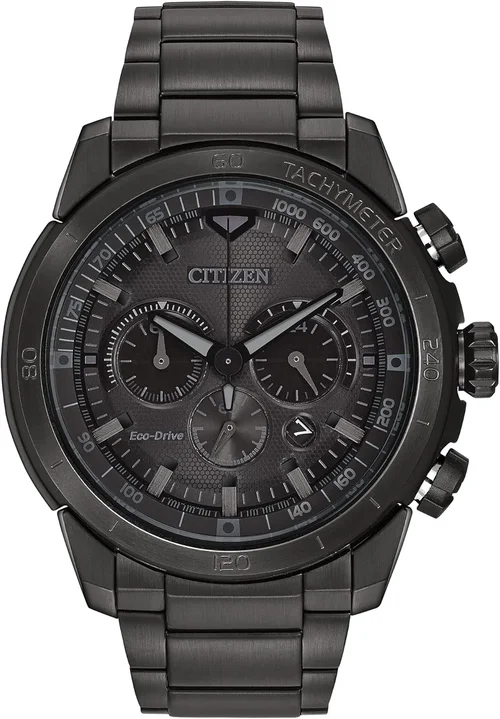
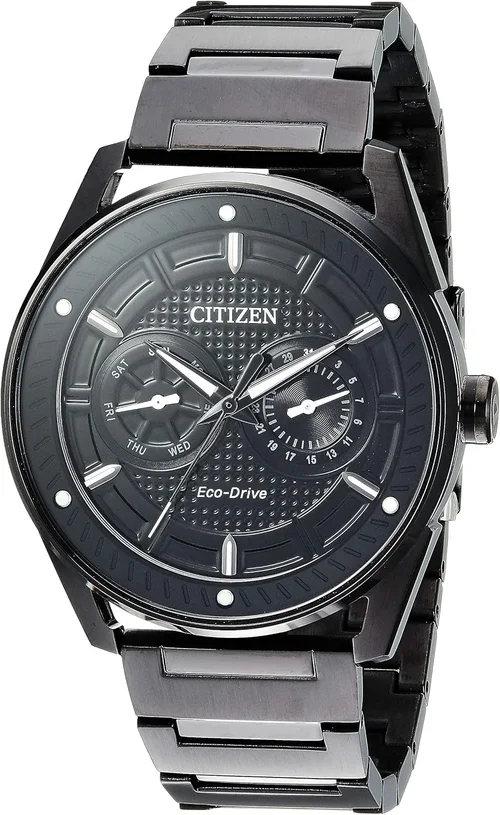
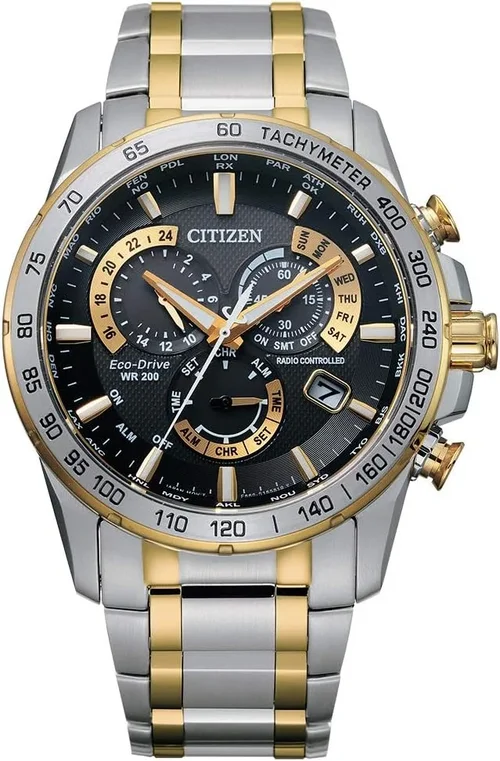
The heart of any watch is its movement. In the luxury segment under $10,000, you’ll primarily encounter two types: mechanical (including automatic) and high-end quartz. Mechanical movements—especially automatics—are prized for their craftsmanship, smooth sweeping seconds hand, and the satisfying sensation of wearing a miniature mechanical engine on your wrist. Look for watches with in-house or élaboré-grade movements (e.g., ETA 2892-A2 or Sellita SW300) that offer reliability and serviceability. Quartz movements, while less romantic, offer exceptional accuracy and low maintenance—ideal for someone who values practicality without wanting to wind a watch daily. For true luxury appeal, prioritize mechanical movements, but don’t dismiss high-end quartz models from brands like Citizen (with their Eco-Drive technology) if convenience is a priority.
2. Build Quality & Materials
A luxury watch should feel substantial and well-crafted. Pay close attention to case materials: stainless steel is standard, but look for grades like 316L or 904L (used by Rolex and some Omega models), which offer superior corrosion resistance and polish retention. The crystal should be sapphire—not mineral glass—for scratch resistance. Check the caseback: exhibition (transparent) casebacks reveal the movement and add aesthetic value, while solid casebacks may indicate cost-cutting. Bracelets should have solid end links, smooth clasp action, and minimal flex. A well-finished case with sharp edges, even brushing, and precise alignment speaks volumes about a brand’s attention to detail.
3. Brand Heritage & Reputation
Not all brands under $10,000 are created equal. Established names like Longines (founded in 1832) and Tissot (1853) bring centuries of watchmaking expertise, global service networks, and proven reliability. Newer independents like Christopher Ward or Traska offer fresh designs and excellent value but may lack the same level of after-sales support. Consider whether you value historical prestige or modern innovation more. Also, research how the brand treats its customers—warranty terms, repair turnaround times, and parts availability can make or break long-term ownership satisfaction.
4. Size & Wearability
A beautiful watch that doesn’t fit your wrist is a missed opportunity. Ideal case diameters for most men range from 38mm to 42mm; anything over 44mm may overwhelm smaller wrists. Lug-to-lug distance is even more critical—it determines how the watch sits across your wrist. A 42mm watch with 50mm lugs will wear larger than a 40mm with 46mm lugs. Try before you buy if possible, or use online sizing guides. Consider thickness too: dress watches should slip under a cuff (under 11mm), while tool watches can be thicker. Comfort is non-negotiable—your watch should disappear on your wrist until you choose to admire it.
5. Water Resistance & Durability
Water resistance isn’t just for divers. A rating of 100 meters (10 ATM) is the minimum for everyday wear—it protects against splashes, rain, and handwashing. For swimming or snorkeling, aim for 200 meters or more. However, don’t confuse water resistance with waterproofing; no consumer watch is truly waterproof. Also, consider shock resistance and anti-magnetic properties (look for “anti-magnetic to 4,800 A/m” or higher). Watches with silicon hairsprings (like some Omega Co-Axial models) resist magnetism better than traditional steel springs.
6. Features & Complications
At this price point, you can access meaningful complications beyond basic timekeeping. Date windows are common and useful. Chronographs (stopwatch functions) add sporty appeal and functionality—brands like TAG Heuer and Hamilton offer excellent automatic chronos under $3,000. GMT functions (for tracking two time zones) are increasingly popular among travelers. Avoid overly complex “mega-complications” (like perpetual calendars) in this range—they’re often simplified versions that lack the refinement of true haute horlogerie. Simplicity with purpose is key.
7. Resale Value & Investment Potential
While most watches depreciate, some hold value surprisingly well. Steel sports models from Omega (like the Seamaster) or Longines (like the HydroConquest) often retain 60–70% of their retail price after a few years. Limited editions or models with historical significance (e.g., Longines’ heritage reissues) can even appreciate. Avoid heavily discounted “dealer specials”—they signal weak demand and poor resale. If investment is a factor, stick to iconic models from reputable brands with strong secondary markets.
8. Warranty & After-Sales Service
A luxury watch is a long-term companion. Look for at least a 2-year international warranty, preferably 3–5 years. Brands like Oris and Christopher Ward offer 3-year warranties, while Tissot provides 2 years. More importantly, assess service accessibility: can you get it serviced locally, or must you ship it overseas? Omega and Longines have extensive service centers globally; smaller brands may require shipping to Switzerland or the UK. Check user reviews about service experiences—delays and poor communication can sour an otherwise great purchase.
Different Types of Buying Guide

Common Buying Mistakes to Avoid
❌ Mistake: Prioritizing Brand Name Over Fit and Function
Why it’s bad: Buying a watch just because it says “Omega” or “TAG Heuer” on the dial can lead to disappointment if it doesn’t suit your lifestyle or wrist size. A 44mm chronograph might look impressive in ads but feel bulky in daily wear.
What to do instead: Focus on how the watch feels and functions for you. Try multiple models, even within the same brand, and prioritize comfort and usability over logo prestige.
❌ Mistake: Ignoring Service Costs and Availability
Why it’s bad: A $3,000 watch can cost $300–$500 to service every 5–7 years. If the brand has no local service center, you may wait months for repairs.
What to do instead: Research service networks before buying. Brands like Longines and Tissot have global coverage; smaller brands may require international shipping.
❌ Mistake: Falling for “Too Good to Be True” Deals
Why it’s bad: Deeply discounted “new” watches from unauthorized dealers often lack warranty coverage or are gray-market imports with voided guarantees.
What to do instead: Buy from authorized retailers or reputable gray-market sellers who provide valid warranties. Verify authenticity through brand databases.
❌ Mistake: Overlooking Strap/Bracelet Options
Why it’s bad: A watch that only looks good on a metal bracelet might not work with leather or NATO straps—limiting versatility. Some brands use proprietary lugs that make aftermarket straps difficult.
What to do instead: Choose watches with standard lug widths (18mm, 20mm, 22mm) and drilled lugs for easy strap changes. This extends the watch’s usability across occasions.
❌ Mistake: Neglecting Anti-Magnetic Properties
Why it’s bad: Modern environments are full of magnets (phones, laptops, speakers). A non-anti-magnetic watch can gain or lose minutes per day when exposed.
What to do instead: Look for watches rated at least 4,800 A/m (or labeled “anti-magnetic”). Omega’s Master Co-Axial movements exceed 15,000 gauss.
❌ Mistake: Buying Based Solely on Resale Value
Why it’s bad: Chasing “investment pieces” often leads to buying watches you don’t love—and most watches under $10,000 don’t appreciate significantly.
What to do instead: Buy what you genuinely enjoy wearing. A watch you love will bring more value than one you store in a safe hoping it gains worth.
Budget Guidelines: How Much Should You Spend?
– Entry-Level ($800–$2,000): This tier offers excellent value with Swiss quartz or entry-level automatics. Think Tissot PRX, Hamilton Khaki Field, or Seiko Presage. Expect sapphire crystals, decent bracelets, and reliable movements—but limited complications or finishing.
– Mid-Range ($2,000–$5,000): The sweet spot for most buyers. Here, you’ll find in-house or high-grade ETA/Sellita movements, better finishing, and more design options. Longines Master Collection, Oris Aquis, and Christopher Ward C63 Sealander shine here.
– Premium ($5,000–$8,000): For enthusiasts seeking refinement. Omega Seamaster Aqua Terra, TAG Heuer Aquaracer, and Bremont Supermarine offer advanced materials, superior accuracy, and stronger brand recognition.
– Luxury ($8,000–$10,000): Top-tier features within budget. Expect COSC-certified chronometers, anti-magnetic technology, and heritage designs. Omega Speedmaster Reduced or Longines Spirit Zulu Time represent peak value in this range.
Expert Tips for Getting the Best Deal
– Buy during holiday sales: Black Friday, end-of-year clearances, and brand anniversaries (e.g., Longines’ 190th in 2022) often bring 10–20% discounts at authorized dealers.
– Consider pre-owned from trusted sources: Sites like WatchBox or Chrono24 offer certified pre-owned watches with warranties—often 20–30% below retail for near-new condition.
– Negotiate gently at boutiques: While fixed pricing is common, some independent retailers may include a free strap or polishing service if asked politely.
– Check return policies: Ensure you have at least 14 days to return if the watch doesn’t fit or meet expectations. Online purchases should include free return shipping.
– Test wearability first: If buying online, use virtual try-on tools or order from retailers with generous return windows. Comfort is subjective and critical.
– Verify authenticity: Always request original box, papers, and warranty card. Cross-check serial numbers with the brand.
– Join watch communities: Forums like Reddit’s r/Watches or WatchUSeek offer real-user insights and deal alerts you won’t find elsewhere.

Frequently Asked Questions
Q: Can I get a genuine Swiss-made luxury watch under $10,000?
A: Absolutely. Many respected Swiss brands—including Longines, Tissot, Oris, and Hamilton—offer fully Swiss-made watches well under $5,000. Look for “Swiss Made” on the dial (it requires 60% of components and final assembly in Switzerland).
Q: Is an automatic watch worth the extra cost over quartz?
A: It depends on your priorities. Automatics offer craftsmanship and tradition but require maintenance and aren’t as accurate as quartz. If you appreciate mechanics and don’t mind occasional servicing, yes—otherwise, high-end quartz (like Citizen’s Eco-Drive) is pragmatic.
Q: How often should I service my luxury watch?
A: Every 5–7 years for mechanical watches; quartz every 7–10 years. Service includes cleaning, oiling, and pressure testing. Skipping service risks damage and costly repairs.
Q: Are gray-market watches safe to buy?
A: They can be, if purchased from reputable dealers who provide valid warranties. However, they may not qualify for manufacturer service in some regions. Always verify seller credentials.
Q: What’s the difference between COSC and non-COSC movements?
A: COSC-certified movements are tested for accuracy (-4/+6 seconds per day). Non-COSC can still be excellent (many in-house movements exceed COSC standards), but certification adds proven reliability.
Q: Can I wear my watch while swimming?
A: Only if it’s rated 200m or more and has a screw-down crown. Even then, rinse with fresh water afterward to prevent salt or chlorine damage.
Q: Do luxury watches hold their value?
A: Most depreciate, but iconic steel models (e.g., Omega Seamaster, Longines HydroConquest) hold value better than dress watches or gold pieces. Limited editions fare best.
Q: Should I buy a watch with a leather strap or metal bracelet?
A: Metal bracelets offer durability and all-weather use; leather is elegant but less versatile. Many buyers choose bracelets for daily wear and swap in leather for formal events.
Our Final Recommendations
– Best for Budget-Conscious Buyers: Tissot PRX Powermatic 80 ($795) – Swiss automatic, 80-hour power reserve, integrated bracelet, and retro-futuristic design. Exceptional value.
– Best Overall Value: Longines Master Collection Moonphase ($2,400) – In-house movement, elegant dress design, and celestial complication rarely seen under $3,000.
– Best Premium Option: Omega Seamaster Aqua Terra 150M ($5,200) – Master Co-Axial movement, anti-magnetic to 15,000 gauss, and timeless sport-dress versatility.
– Best for Beginners: Hamilton Khaki Field Mechanical ($695) – Hand-wound Swiss movement, military heritage, and rugged simplicity. Perfect entry point.
– Best for Advanced Users: Oris Aquis Date ($2,100) – Serious dive watch with in-house movement, ceramic bezel, and ocean conservation ethos. Built for real use.
Conclusion: Making the Right Choice
Choosing a luxury watch under $10,000 is about balancing emotion with practicality. It’s not just about telling time—it’s about investing in a piece of artistry that reflects your personality and stands the test of time. By focusing on movement quality, build integrity, brand reputation, and personal fit, you’ll avoid buyer’s remorse and find a timepiece you’ll treasure for decades. Remember: the best watch is the one you reach for every day, not the one that sits in a box. Take your time, do your research, and prioritize what matters most to you—whether that’s heritage, innovation, or everyday reliability. Your perfect watch is out there, and with this guide, you’re now equipped to find it.
For more expert buying advice across tech and lifestyle categories, check out our Best Laptop 2026 Top Picks Tested Reviewed, Best Washing Machine Buying Guide 2026, and Best Budget Smartphones in 2026.