
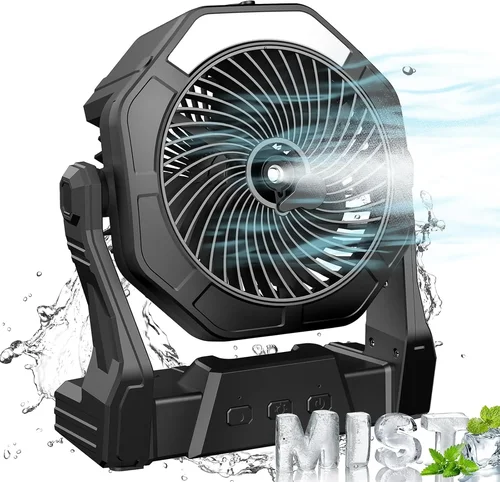
Best Fan Buying Guide 2026
May 18, 2026

When it comes to staying cool and comfortable during hot weather, a reliable fan is often the first line of defense. Whether you’re battling summer heatwaves, improving air circulation in a stuffy room, or looking for an energy-efficient alternative to air conditioning, choosing the right fan can make a significant difference in your daily comfort. However, with so many options flooding the market—from sleek tower fans to powerful industrial-grade units—it’s easy to make costly mistakes during the buying process. That’s why this comprehensive guide exists: to help you avoid common pitfalls and make a smart, informed decision that aligns with your needs, space, and budget.
In this expert-level buying guide, you’ll learn not only what to look for when purchasing a fan but also—more importantly—what not to do. We’ll walk you through the key factors that influence performance and longevity, compare different types of fans, highlight frequent buyer errors, and provide actionable tips to get the best value. Whether you’re shopping for your bedroom, office, garage, or outdoor patio, this guide equips you with the knowledge to cut through marketing hype and focus on what truly matters. The fan market in 2026 is more advanced than ever, with smart features, whisper-quiet operation, and eco-friendly designs becoming standard. But with innovation comes complexity—and the potential for confusion. Our goal is to simplify that process and ensure you don’t end up with a fan that’s too loud, too weak, or too complicated for your lifestyle.

What to Look for When Buying a Fan
1. Budget & Price Range
Setting a realistic budget is the foundation of any smart purchase. Fans range from under $20 for basic box models to over $300 for high-end smart fans with app control and air purification. While it’s tempting to go for the cheapest option, extremely low-priced fans often sacrifice build quality, durability, and safety features. Conversely, splurging on a premium model may include features you’ll never use. Determine your spending limit early and stick to it, but allow some flexibility for models that offer exceptional value. A mid-range fan priced between $50 and $120 often delivers the best balance of performance, features, and reliability for most households.
2. Performance Specifications
Don’t judge a fan by its looks alone—performance specs tell the real story. Key metrics include airflow (measured in CFM, or cubic feet per minute), noise level (in decibels), and oscillation range. A good bedroom fan should deliver at least 1,500 CFM while staying under 50 dB for quiet operation. For larger spaces like living rooms or garages, aim for 3,000 CFM or higher. Also check the number of speed settings—three is standard, but five or more offer finer control. Look for energy-efficient models with DC motors, which consume up to 70% less power than traditional AC motors and run quieter.
3. Build Quality & Durability
A fan is a long-term investment, so don’t overlook construction materials and design. Plastic fans are lightweight and affordable but may crack or warp over time, especially in hot environments. Metal or reinforced composite builds offer better longevity. Check the base stability—wobbly fans are not only annoying but can be hazardous. Inspect blade design: wider, aerodynamically shaped blades move more air efficiently. Also, ensure the fan has safety certifications like UL or ETL listing, which indicate compliance with electrical and fire safety standards.
4. Features & Functionality
Modern fans come packed with features, but not all are essential. Remote controls, timers, and multiple speed settings are practical for everyday use. Smart fans with Wi-Fi connectivity allow scheduling and voice control via Alexa or Google Assistant—great for tech-savvy users. Some models include air filters, ionizers, or humidifiers, which can improve air quality but may increase maintenance. Consider whether you’ll actually use these extras. For example, a sleep timer is useful, but a built-in aromatherapy diffuser might just be a gimmick. Focus on functionality that enhances your specific use case.
5. Brand Reputation
Stick with established brands known for reliability and customer service. Companies like Honeywell, Vornado, Dyson, and Lasko have decades of experience and consistent user satisfaction. Lesser-known brands may offer attractive prices, but they often lack long-term support or consistent quality control. Research brand history, read professional reviews, and check how responsive they are to warranty claims. A reputable brand may cost slightly more upfront but saves money and frustration in the long run.
6. Warranty & Support
Always check the warranty period and what it covers. A standard one-year warranty is common, but some premium models offer two to five years. Look for brands that provide easy access to customer support, replacement parts, and repair services. Avoid products with “limited” warranties that exclude common issues like motor failure. Register your fan upon purchase to activate coverage, and keep your receipt. A strong warranty is a sign the manufacturer stands behind its product.
7. Size & Portability
Consider where you’ll use the fan and how often you’ll move it. Tower fans are slim and ideal for small spaces, while pedestal fans offer height adjustability for targeted airflow. Box fans are powerful and portable but bulky. Ceiling fans are permanent fixtures best for whole-room cooling. If you plan to move the fan between rooms, look for lightweight designs with carrying handles. Measure your space to ensure the fan fits comfortably without obstructing walkways or furniture.
8. User Reviews & Ratings
Never rely solely on manufacturer claims. Real user feedback reveals long-term performance, noise levels, and potential flaws. Read reviews on trusted platforms like Amazon, Best Buy, or Consumer Reports. Pay attention to recurring complaints—such as frequent breakdowns or poor remote functionality—and look for patterns in positive feedback. A fan with 4.5 stars and thousands of reviews is generally more reliable than one with 5 stars from just a handful of users.
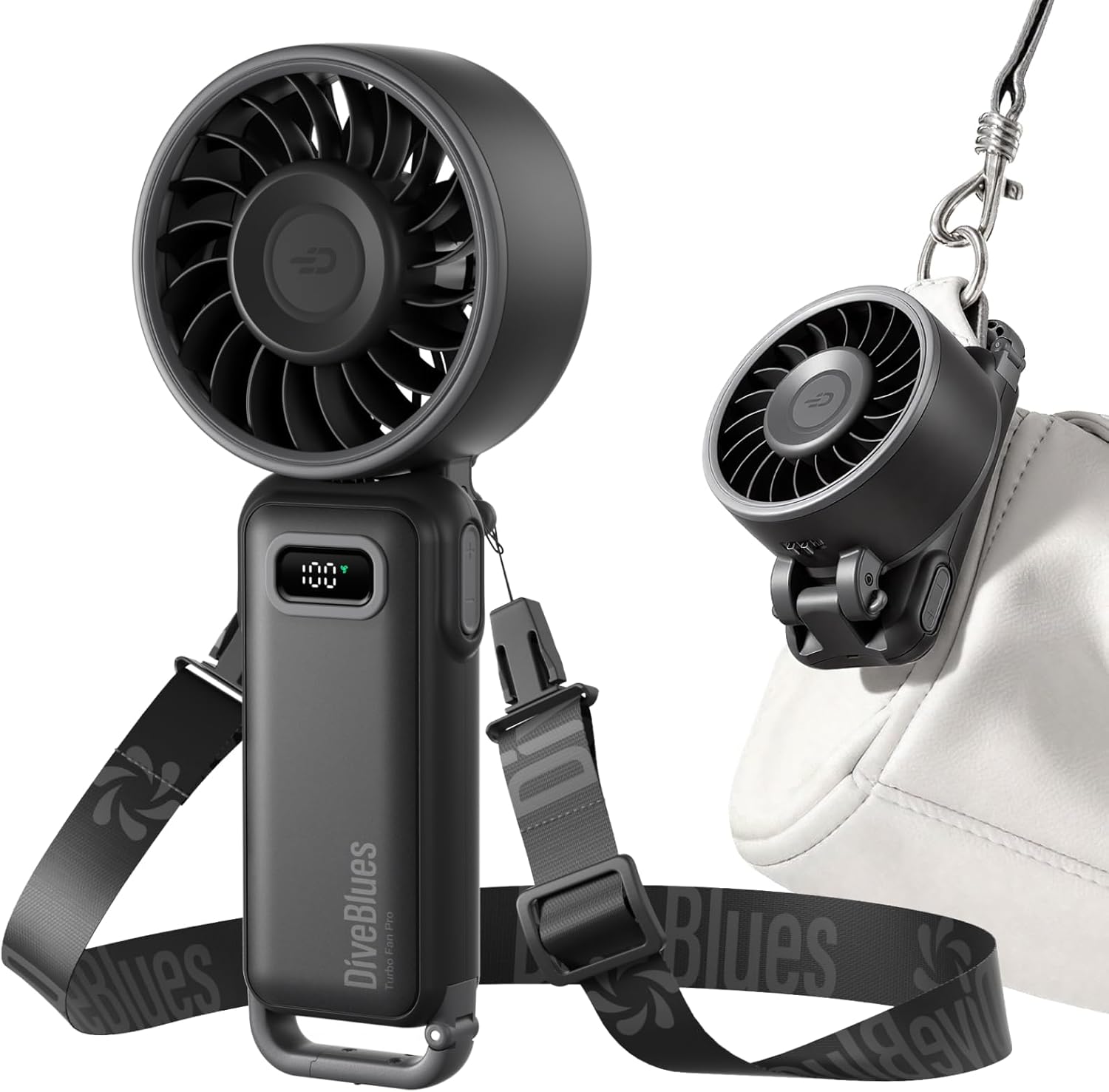
Different Types of Fans
Common Buying Mistakes to Avoid
❌ Mistake: Ignoring Room Size and Airflow Needs
Why it’s bad: A fan that’s too small for your space will struggle to circulate air effectively, leaving you still feeling hot and frustrated. Conversely, an overly powerful fan in a small room can create uncomfortable gusts.
What to do instead: Measure your room and match it to the fan’s recommended coverage area. Use the CFM rating as a guide—higher CFM means better airflow for larger spaces. For example, a 12×12 ft bedroom needs at least 1,500 CFM, while a 20×20 ft living room should have 3,000+ CFM.
❌ Mistake: Prioritizing Price Over Quality
Why it’s bad: Cheap fans often use flimsy materials, weak motors, and lack safety features. They may break within months, costing you more in replacements and electricity due to inefficiency.
What to do instead: Invest in a mid-range model from a reputable brand. Spending $20 more upfront can save you $100 in the long run. Look for energy-efficient DC motors and solid construction.
❌ Mistake: Overlooking Noise Levels
Why it’s bad: A noisy fan can disrupt sleep, concentration, and relaxation—especially in bedrooms or home offices. Many buyers only realize this after purchase.
What to do instead: Check the decibel (dB) rating. Fans under 50 dB are ideal for quiet environments. Read user reviews for real-world noise feedback, as manufacturer specs can be misleading.
❌ Mistake: Buying Without Testing Oscillation and Speed Settings
Why it’s bad: Limited oscillation or only one or two speed settings reduce versatility. You might not be able to direct airflow where needed or adjust for different activities.
What to do instead: Choose a fan with wide oscillation (at least 90 degrees) and multiple speed options. Test the remote or controls if buying in-store, or check for detailed feature descriptions online.
❌ Mistake: Ignoring Maintenance Requirements
Why it’s bad: Dust buildup on blades and motors reduces efficiency and can cause overheating. Some fans are difficult to clean, leading to neglect and shorter lifespan.
What to do instead: Opt for models with removable grilles or easy-access blades. Tower fans are generally easier to clean than box fans. Regular maintenance ensures peak performance.
❌ Mistake: Not Considering Power Source and Cord Length
Why it’s bad: A short power cord or lack of battery option can limit placement. Extension cords are unsafe and unsightly.
What to do instead: Check cord length (at least 6 feet is ideal) and consider battery-operated or rechargeable fans for portability. USB-powered fans are great for desks but lack power for room cooling.
❌ Mistake: Falling for Gimmicky Features
Why it’s bad: Features like built-in LED lights, aromatherapy, or Bluetooth speakers may sound appealing but often don’t work well and increase cost without adding real value.
What to do instead: Focus on core performance: airflow, noise, durability, and ease of use. If you want smart features, ensure they’re reliable and integrate well with your existing devices.
Budget Guidelines: How Much Should You Spend?
- Entry-Level ($20 – $50): Best for temporary use or small spaces. Expect basic functionality, higher noise levels, and shorter lifespan. Ideal for dorm rooms or occasional use. Look for Lasko or Honeywell budget models.
- Mid-Range ($50 – $120): The sweet spot for most buyers. Offers better build quality, quieter operation, and useful features like remote controls and timers. Brands like Vornado and Honeywell excel here.
- Premium ($120 – $250): For those who prioritize performance and smart features. Includes DC motors, app control, air purification, and sleek designs. Dyson and Hunter are top contenders.
- Luxury ($250+): Top-tier fans with advanced technology, premium materials, and designer aesthetics. Often include AI-driven climate control and integration with smart home systems. Best for enthusiasts and large homes.
Expert Tips for Getting the Best Deal
- Buy Off-Season: Purchase fans in late fall or winter when demand is low. You’ll find clearance prices and avoid the rush.
- Compare Retailers: Check prices across Amazon, Best Buy, Walmart, and specialty stores. Use price-tracking tools like Honey or CamelCamelCamel to spot drops.
- Read the Fine Print: Check return policies—some retailers charge restocking fees. Ensure the fan can be returned if it doesn’t meet expectations.
- Test In-Store When Possible: If buying locally, test the fan’s noise level and controls. Online reviews are helpful, but hands-on experience is irreplaceable.
- Look for Bundled Deals: Some brands offer discounts when buying multiple items, like a fan and air purifier combo.
- Register for Warranty: Always register your product online to activate coverage. Keep your receipt and packaging for at least the warranty period.
- Consider Refurbished Models: Certified refurbished fans from reputable sellers often come with warranties and cost 20-40% less than new.
- Check for Energy Rebates: Some utility companies offer rebates for energy-efficient appliances, including certain fan models.

Frequently Asked Questions
Q: Can a fan cool a room below ambient temperature?
A: No, fans don’t lower air temperature—they create a wind-chill effect that makes you feel cooler by evaporating sweat. For actual cooling, pair a fan with an air conditioner or evaporative cooler.
Q: Are tower fans better than box fans?
A: It depends on your needs. Tower fans are quieter, safer, and take up less floor space, making them ideal for bedrooms. Box fans offer stronger airflow and are better for window mounting or garages.
Q: How often should I clean my fan?
A: Clean the blades and grille every 2-4 weeks during heavy use. Dust buildup reduces efficiency and can circulate allergens.
Q: Do smart fans use more electricity?
A: Not necessarily. Many smart fans use energy-efficient DC motors and can be programmed to run only when needed, potentially saving energy.
Q: Can I use a fan outdoors?
A: Only if it’s rated for outdoor or damp locations. Indoor fans can short-circuit or pose fire risks in humid or wet conditions.
Q: What’s the difference between AC and DC motors?
A: DC motors are more energy-efficient, quieter, and offer more speed settings. AC motors are cheaper but consume more power and are noisier.
Q: How do I reduce fan noise?
A: Ensure the fan is on a stable surface, clean the blades, and check for loose parts. Placing a towel under the base can also dampen vibrations.
Q: Are oscillating fans more effective?
A: Yes, oscillation distributes airflow across a wider area, preventing hot spots and improving overall comfort.
Q: Can fans help with allergies?
A: Fans with built-in HEPA filters can trap allergens, but regular fans may circulate dust. Use an air purifier alongside for best results.
Q: Is it safe to leave a fan on overnight?
A: Yes, as long as the fan is in good condition, placed safely, and not obstructed. Modern fans have thermal cutoffs to prevent overheating.
Our Final Recommendations
- Best for Budget-Conscious Buyers: Lasko 3300 Wind Machine – Under $40, powerful airflow, simple design, great for dorms and small rooms.
- Best Overall Value: Vornado 660 Air Circulator – Around $90, exceptional airflow, quiet operation, durable build, ideal for medium to large rooms.
- Best Premium Option: Dyson Pure Cool TP07 – $650, combines fan, air purifier, and smart features, perfect for allergy sufferers and tech lovers.
- Best for Beginners: Honeywell HT-900 TurboForce – $35, compact, quiet, and reliable—great first fan with minimal learning curve.
- Best for Advanced Users: Hunter Symphony Smart Ceiling Fan – $300, integrates with Alexa, includes LED lighting, and offers app-based scheduling.
Conclusion: Making the Right Choice
Choosing the right fan isn’t just about staying cool—it’s about enhancing your comfort, saving energy, and making a smart long-term investment. By avoiding common mistakes like ignoring room size, overlooking noise levels, or falling for gimmicks, you can find a fan that truly meets your needs. Remember to prioritize performance, build quality, and real user feedback over flashy marketing. Whether you’re cooling a bedroom, office, or entire home, the right fan can make all the difference. Take your time, compare options, and don’t rush the decision. With the insights from this guide, you’re now equipped to buy confidently and avoid the regrets that come with impulsive purchases. Stay cool, stay informed, and enjoy the breeze. For more buying advice on essential home appliances, check out our Refrigerator Buying Guide or explore Best Washing Machine Buying Guide 2026 to make your next home upgrade just as seamless.