
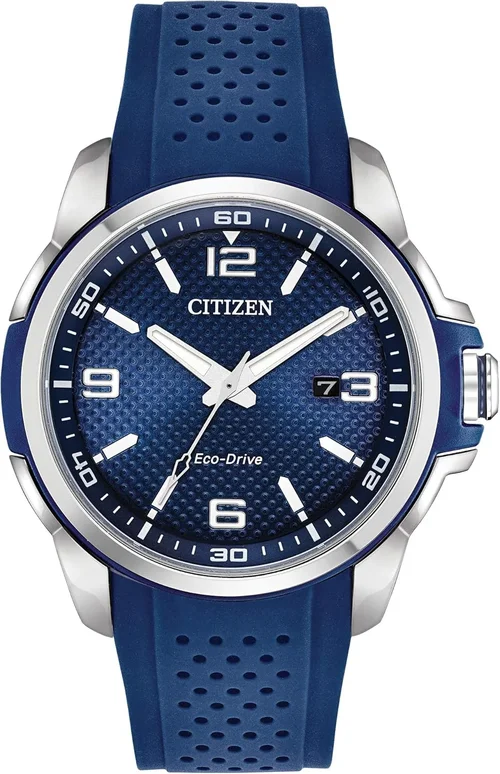
Affordable Luxury Watch Selection Guide 2026
May 15, 2026
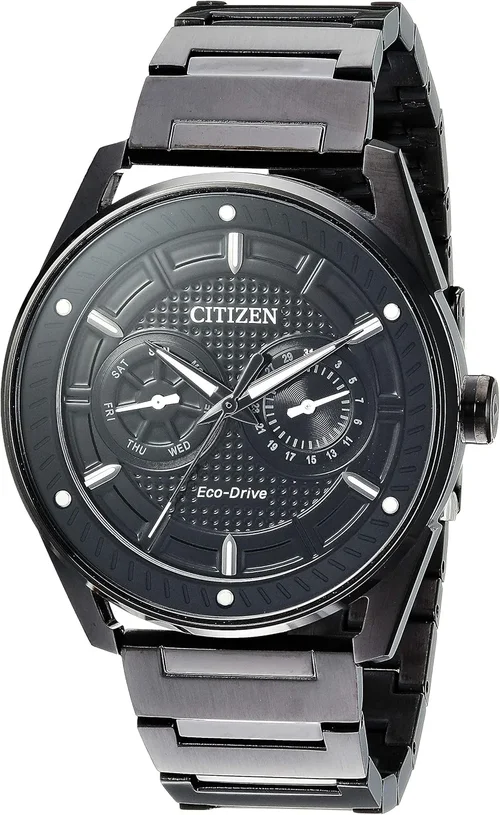
When it comes to timepieces, the line between everyday functionality and refined elegance often feels impossibly thin. A luxury watch isn’t just about telling time—it’s a statement of personal style, craftsmanship, and enduring value. Yet, for many, the term “luxury watch” conjures images of five-figure price tags and exclusive boutiques. That’s where the concept of affordable luxury comes in: high-quality watches that deliver premium materials, reliable mechanics, and timeless design without breaking the bank. In 2026, this segment of the market is more vibrant than ever, offering exceptional options from both heritage brands and modern innovators.
This guide is designed for anyone who wants a sophisticated, well-crafted watch but isn’t ready—or doesn’t need—to spend thousands. Whether you’re buying your first mechanical watch, upgrading from a smartwatch, or adding to a growing collection, understanding what makes a watch truly “luxury” at an accessible price point is essential. You’ll learn how to evaluate key factors like movement type, build quality, brand reputation, and long-term value. We’ll also help you avoid common pitfalls, identify your ideal budget range, and make a confident purchase that aligns with your lifestyle and aesthetic preferences.
The affordable luxury watch market today spans a wide spectrum—from Swiss-made automatics under $1,500 to Japanese-engineered classics and even emerging microbrands pushing innovation. With so many compelling choices, it’s easy to feel overwhelmed. But armed with the right knowledge, you can navigate this space with clarity and confidence. By the end of this guide, you’ll know exactly what to look for, which brands offer the best value, and how to get the most out of your investment—no matter your budget.

What to Look for When Buying Buying Guide
1. Budget & Price Range
Setting a realistic budget is the foundation of any smart watch purchase. Affordable luxury typically falls between $500 and $2,500—a range that includes entry-level Swiss automatics, well-built Japanese movements, and solidly constructed dress or sport watches. While it’s tempting to stretch for a higher price point, remember that diminishing returns kick in quickly beyond $3,000. Stick to what you can comfortably afford, and prioritize value over prestige. A $1,200 watch with a reliable in-house movement and sapphire crystal often outperforms a $2,800 model with minor cosmetic upgrades.
2. Movement Type: Mechanical vs. Quartz
The heart of any watch is its movement. In the affordable luxury tier, you’ll encounter three main types: mechanical (manual or automatic), quartz, and hybrid (like Seiko’s Spring Drive). Mechanical movements—especially automatics—are prized for their craftsmanship, smooth sweeping seconds hand, and traditional appeal. They require regular wear or a winder but offer a tactile connection to horological heritage. Quartz movements, while less romantic, are incredibly accurate, low-maintenance, and often more affordable. For most buyers, an automatic movement in the $800–$1,800 range strikes the perfect balance between performance and prestige.
3. Build Quality & Materials
True luxury shows in the details. Look for cases made from 316L or 904L stainless steel—the latter is used by Rolex and offers superior corrosion resistance. A sapphire crystal is non-negotiable at this price point; it’s scratch-resistant and gives the watch a premium feel. Check the caseback: exhibition (see-through) backs showcase the movement and add visual appeal. Water resistance of at least 100 meters (10 ATM) is ideal for daily wear, even if you don’t swim regularly. Avoid watches with mineral glass crystals or plated metals—they degrade quickly and signal corner-cutting.
4. Brand Reputation & Heritage
Not all brands are created equal. Established names like Tissot, Hamilton, Longines, and Seiko have decades (or centuries) of watchmaking experience and proven reliability. They offer consistent quality control, global service networks, and resale value. Emerging microbrands can be exciting and innovative, but research their track record—warranty support, customer service, and longevity matter. A reputable brand ensures your watch will be serviceable for years, even decades. Don’t chase hype; choose a brand with a history of delivering on promises.
5. Design & Aesthetics
A luxury watch should reflect your personal style while remaining versatile. Classic dress watches (e.g., black dial, minimal markers, leather strap) work for formal occasions, while dive or field watches suit casual and active lifestyles. Consider case size: 38–42mm is the sweet spot for most wrists. Avoid overly trendy designs—what’s hot today may feel dated in two years. Timelessness is key. Also, assess legibility: large numerals, high contrast, and luminous markers improve usability. A well-designed watch balances form and function effortlessly.
6. Warranty & After-Sales Support
A strong warranty is a sign of manufacturer confidence. Most reputable brands offer 2–5 years of international coverage. Check if the warranty includes movement servicing, water resistance checks, and crystal replacement. More importantly, verify that authorized service centers exist in your region—or that the brand offers mail-in repair with reasonable turnaround times. A beautiful watch is useless if it can’t be maintained. Brands like Citizen, Orient, and Certina are known for excellent customer support even at lower price points.
7. Resale Value & Longevity
While you shouldn’t buy a watch solely as an investment, considering resale value helps assess long-term worth. Brands with strong heritage (e.g., Omega, TAG Heuer) hold value better, but even affordable models from Tissot or Hamilton can retain 50–70% of their value if kept in good condition. Limited editions or discontinued models may appreciate, but avoid speculative buying. Focus instead on durability: a watch that lasts 20+ years with proper care offers far greater value than one that depreciates rapidly.
8. User Reviews & Community Feedback
Before finalizing a purchase, read real-world reviews from owners. Sites like WatchUSeek, Reddit’s r/Watches, and YouTube channels (e.g., Just One More Watch) provide unfiltered insights into comfort, accuracy, and real-life performance. Pay attention to recurring complaints—frequent rotor noise, poor lume, or loose crowns are red flags. Community feedback often reveals nuances that specs sheets miss, helping you avoid buyer’s remorse.
Different Types of Buying Guide

Common Buying Mistakes to Avoid
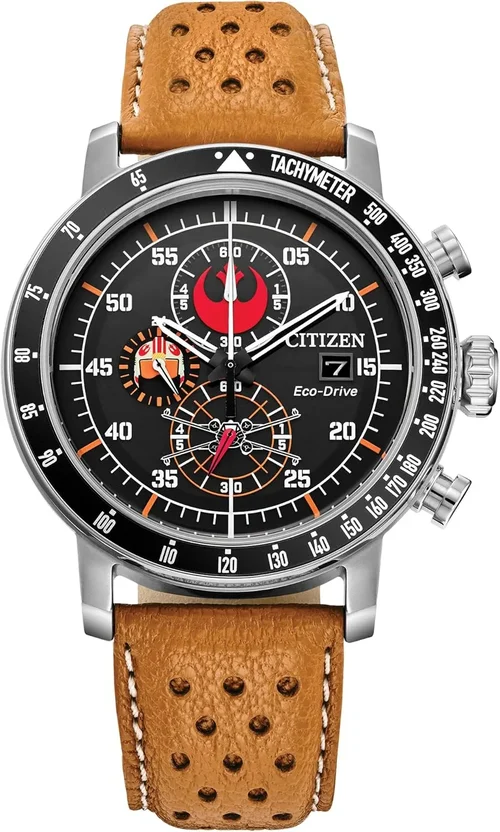
❌ Mistake: Prioritizing Brand Over Substance
Why it’s bad: Choosing a watch solely because it has a recognizable logo can lead to disappointment. Some luxury-branded entry-level models use cheap movements or lack durability.
What to do instead: Research the specs, not just the name. Compare movement type, materials, and user feedback across brands.
❌ Mistake: Ignoring Wrist Size and Comfort
Why it’s bad: A 44mm dive watch may look impressive online but feel bulky and uncomfortable on a smaller wrist.
What to do instead: Measure your wrist and try on similar-sized watches. Opt for 38–42mm unless you have larger wrists.
❌ Mistake: Overlooking Maintenance Costs
Why it’s bad: Mechanical watches require servicing every 5–7 years, costing $150–$400. Neglecting this leads to poor performance.
What to do instead: Factor in long-term upkeep when budgeting. Choose brands with affordable service networks.
❌ Mistake: Buying Based on Hype or Trends
Why it’s bad: Limited editions or viral designs often lose appeal quickly and may not suit your daily style.
What to do instead: Invest in timeless designs that align with your wardrobe and personality.
❌ Mistake: Skipping the Warranty Check
Why it’s bad: A broken movement or water damage can render your watch unusable—and costly to fix—if not covered.
What to do instead: Always verify warranty terms and service availability before purchasing.
❌ Mistake: Purchasing from Unauthorized Sellers
Why it’s bad: Grey-market dealers may sell counterfeit or tampered watches, voiding warranties.
What to do instead: Buy only from authorized retailers or brand boutiques.
Budget Guidelines: How Much Should You Spend?
- Entry-Level ($500–$800): Expect reliable quartz or basic automatic movements, stainless steel cases, and mineral or sapphire crystals. Great for first-time buyers. Examples: Seiko Presage, Citizen Eco-Drive.
- Mid-Range ($800–$1,500): The sweet spot. You’ll find in-house or high-quality ETA-based automatics, sapphire crystals, better finishing, and stronger brand heritage. Examples: Tissot PRX, Hamilton Khaki Field.
- Premium ($1,500–$2,500): For enthusiasts who want refined aesthetics, superior movements (e.g., COSC-certified), and enhanced durability. Examples: Longines HydroConquest, Oris Aquis.
- Luxury ($2,500+): While still “affordable” relative to six-figure watches, this tier offers near-flagship quality—excellent finishing, proprietary tech, and strong resale value. Examples: Omega Seamaster Aqua Terra (on sale), TAG Heuer Formula 1.
Expert Tips for Getting the Best Deal
- Buy during off-peak seasons: Retailers discount older models in January (post-holiday) and July (pre-fall launches).
- Consider pre-owned from trusted sources: Certified pre-owned watches from platforms like WatchBox or brand-certified programs offer significant savings with full warranties.
- Negotiate at authorized dealers: Many boutiques will match online prices or throw in free straps/servicing.
- Check return policies: Ensure you have at least 14 days to return if the watch doesn’t suit your wrist or expectations.
- Test the crown and pushers: A smooth, precise action indicates quality assembly—avoid gritty or loose controls.
- Verify authenticity: Request serial numbers and cross-check with brand databases.
- Join watch forums: Communities often share exclusive promo codes or alert members to flash sales.
- Bundle accessories: Some retailers offer free NATO straps, travel cases, or cleaning kits with purchase.

Frequently Asked Questions
Q: Can an affordable luxury watch last a lifetime?
A: Absolutely. With proper care—regular servicing, avoiding extreme shocks, and storing correctly—a well-made watch from a reputable brand can easily last 30–50 years. Many vintage Tissots and Hamiltons are still running today.
Q: Is a Swiss-made watch always better than Japanese?
A: Not necessarily. Swiss watches excel in tradition and finishing, but Japanese brands like Seiko and Citizen offer incredible reliability and innovation (e.g., Spring Drive, Kinetic). Choose based on your priorities: heritage vs. tech.
Q: Do I need to wind an automatic watch daily?
A: No. Most automatics store 38–42 hours of power reserve. If worn daily, they stay wound. For occasional wear, a watch winder helps maintain accuracy.
Q: Are leather straps worth the upgrade?
A: Yes, if you value comfort and style. Genuine leather (especially alligator or calf) ages beautifully and conforms to your wrist. Just avoid wearing leather straps in water.
Q: How often should I service my mechanical watch?
A: Every 5–7 years, or sooner if you notice accuracy issues. Servicing includes cleaning, oiling, and pressure testing.
Q: Can I wear my watch while swimming?
A: Only if it’s rated 100m (10 ATM) or higher and has a screw-down crown. Even then, rinse with fresh water afterward to prevent salt or chlorine damage.
Q: What’s the difference between COSC and non-COSC movements?
A: COSC certification guarantees chronometer-level accuracy (-4/+6 seconds per day). Non-COSC movements may be just as accurate but aren’t officially tested. For most users, the difference is negligible.
Q: Should I buy a watch with a date function?
A: It’s convenient for daily use, but some purists prefer clean dials without date windows. Consider your lifestyle—if you check the date often, it’s worth having.
Our Final Recommendations
- Best for Budget-Conscious Buyers: Seiko Presage SARX055 – A stunning white dial, automatic movement, and sapphire crystal under $700.
- Best Overall Value: Tissot PRX Powermatic 80 – Integrated bracelet, 80-hour power reserve, and Swiss-made for ~$650.
- Best Premium Option: Longines HydroConquest – Dive watch with ceramic bezel, L888 movement, and elegant finishing around $1,400.
- Best for Beginners: Hamilton Khaki Field Automatic – Rugged, legible, and versatile—perfect for everyday wear at $850.
- Best for Advanced Users: Oris Aquis Date – In-house movement, sustainable materials, and serious tool-watch cred for $1,900.
Conclusion: Making the Right Choice
Choosing an affordable luxury watch is about more than just aesthetics—it’s an investment in craftsmanship, reliability, and personal expression. By focusing on movement quality, build materials, brand integrity, and long-term value, you can find a timepiece that feels premium without the premium price tag. Remember, the best watch is one that fits your wrist, your lifestyle, and your budget—not one that impresses strangers at a party.
Don’t rush the decision. Take time to research, try on different styles, and read real owner experiences. And when you do buy, prioritize authorized channels and solid warranties. A great watch should bring joy for decades, not just days. Whether you’re drawn to the quiet elegance of a dress watch or the rugged charm of a field model, there’s an affordable luxury option waiting to become part of your story. Start your search with confidence—you’ve got the knowledge to make it count.