

Energy Saving AC Buyer’s Guide 2026
May 19, 2026
When it comes to staying cool during sweltering summer months, air conditioning isn’t just a luxury—it’s often a necessity. But with rising energy costs and growing environmental concerns, choosing the right air conditioner isn’t just about cooling power anymore. Today’s savvy buyers are looking for systems that deliver comfort without draining their wallets or overloading the power grid. That’s where energy-saving AC units come in.
This comprehensive buyer’s guide is designed to help you navigate the crowded market of air conditioners with confidence. Whether you’re upgrading an old unit, cooling a single room, or outfitting your entire home, we’ll walk you through everything you need to know to make a smart, sustainable, and cost-effective decision. You’ll learn how to evaluate efficiency ratings, understand key features, avoid common pitfalls, and find the best model for your budget and lifestyle.
The market for energy-efficient air conditioners has evolved dramatically in recent years. Innovations in inverter technology, smart thermostats, and eco-friendly refrigerants have made it easier than ever to stay cool while reducing your carbon footprint and utility bills. From compact window units to powerful central systems, there’s a solution for every need—but not all are created equal. This guide cuts through the noise and delivers expert-backed insights to help you choose wisely.
What to Look for When Buying Buying Guide
1. Energy Efficiency Rating (EER & SEER)
The most critical factor in any energy-saving AC is its efficiency rating. Two key metrics to know are EER (Energy Efficiency Ratio) and SEER (Seasonal Energy Efficiency Ratio). EER measures how efficiently a unit operates at a specific outdoor temperature (95°F), while SEER reflects performance over an entire cooling season under varying conditions. Look for units with a SEER rating of 15 or higher—modern high-efficiency models often reach 20–26 SEER. The higher the number, the less electricity the unit uses to produce the same amount of cooling. For example, upgrading from a 10 SEER to a 20 SEER unit can cut your cooling energy use in half.
2. Inverter Technology
Traditional air conditioners cycle on and off, which wastes energy and causes temperature fluctuations. Inverter-driven compressors, found in premium models, adjust their speed continuously to match the cooling demand. This means they run more quietly, maintain consistent temperatures, and use up to 30% less energy. While inverter units cost more upfront, they pay for themselves over time through lower electricity bills. If you live in a hot climate or use your AC frequently, this feature is worth the investment.
3. Size and Cooling Capacity (BTUs)
Choosing the right size is crucial. An undersized unit will run constantly, increasing wear and energy use, while an oversized one will cool too quickly without dehumidifying properly, leaving your space clammy and inefficient. Cooling capacity is measured in British Thermal Units (BTUs) per hour. As a rule of thumb, you need about 20 BTUs per square foot of living space. A 500-square-foot room needs around 10,000 BTUs, while a 1,500-square-foot home may require 30,000 BTUs or more. Use online calculators or consult an HVAC professional for precise sizing based on insulation, window exposure, and local climate.
4. Smart Features and Connectivity
Modern energy-saving ACs often come with Wi-Fi connectivity and smart home integration. These features allow you to control your unit remotely via smartphone apps, set schedules, and receive energy usage reports. Some models even learn your habits and adjust cooling automatically. For instance, a smart AC can turn off when you leave for work and cool the house just before you return, saving energy without sacrificing comfort. Look for compatibility with platforms like Google Home, Amazon Alexa, or Apple HomeKit for seamless integration.
5. Refrigerant Type
The refrigerant used in your AC affects both efficiency and environmental impact. Older systems often use R-22 (Freon), which is being phased out due to its ozone-depleting properties. Newer, eco-friendly refrigerants like R-410A and R-32 are more efficient and have lower global warming potential. R-32, in particular, is gaining popularity because it’s easier to recycle and offers better heat transfer. Always choose a unit that uses a modern, sustainable refrigerant to future-proof your investment and reduce environmental harm.
6. Noise Levels
No one wants a noisy air conditioner disrupting their sleep or conversation. Noise is measured in decibels (dB), and lower numbers mean quieter operation. Most modern units range from 40 to 60 dB—comparable to a quiet conversation or refrigerator hum. Inverter models and ductless mini-splits tend to be the quietest. If you’re installing a window or portable unit in a bedroom, aim for 50 dB or lower. Check manufacturer specs and customer reviews for real-world noise feedback.
7. Installation and Maintenance Requirements
Even the most efficient AC won’t perform well if it’s poorly installed or neglected. Proper installation ensures optimal airflow, refrigerant levels, and sealing—critical for efficiency. Central and ductless systems should always be installed by licensed professionals. For window and portable units, follow manufacturer instructions carefully. Maintenance is equally important: clean or replace filters monthly, keep outdoor coils free of debris, and schedule annual professional checkups. Some models include filter-cleaning alerts or self-cleaning modes to simplify upkeep.
8. Warranty and Customer Support
A strong warranty is a sign of a manufacturer’s confidence in their product. Look for at least a 5-year compressor warranty and 1–2 years on parts and labor. Premium brands often offer 10-year coverage on key components. Also, consider the availability of local service technicians and the responsiveness of customer support. Reading user reviews about repair experiences can reveal a lot about a brand’s reliability. Brands like Daikin, Mitsubishi, and Carrier are known for excellent support networks.
Different Types of Buying Guide

Common Buying Mistakes to Avoid
❌ Mistake: Buying Based Solely on Price
Why it’s bad: The cheapest unit may have poor efficiency, short lifespan, or high repair costs, leading to higher long-term expenses.
What to do instead: Consider total cost of ownership—including energy use, maintenance, and expected lifespan—not just the sticker price.
❌ Mistake: Oversizing the Unit
Why it’s bad: An oversized AC cools the space too quickly, shutting off before removing humidity, which leads to a damp, uncomfortable environment and wasted energy.
What to do instead: Use a BTU calculator or consult an HVAC pro to match the unit size to your room’s exact needs.
❌ Mistake: Ignoring the SEER Rating
Why it’s bad: A low SEER unit may save money upfront but will cost significantly more in electricity over time.
What to do instead: Prioritize units with SEER 15 or higher, especially if you live in a hot climate or use AC frequently.
❌ Mistake: Skipping Professional Installation
Why it’s bad: Improper installation can reduce efficiency by up to 30%, cause refrigerant leaks, and void warranties.
What to do instead: Always hire a licensed technician for central, ductless, or complex window installations.
❌ Mistake: Neglecting Maintenance
Why it’s bad: Dirty filters and clogged coils force the AC to work harder, increasing energy use and risk of breakdowns.
What to do instead: Set calendar reminders to clean filters monthly and schedule annual professional servicing.
❌ Mistake: Overlooking Smart Features
Why it’s bad: Without programmable or remote controls, you’re more likely to leave the AC running unnecessarily.
What to do instead: Choose a model with scheduling, geofencing, or app control to automate energy savings.
❌ Mistake: Not Checking Local Rebates and Incentives
Why it’s bad: You could miss out on hundreds of dollars in rebates from utility companies or government programs for high-efficiency units.
What to do instead: Visit websites like Energy Star or your local utility provider to find available incentives before purchasing.
Budget Guidelines: How Much Should You Spend?
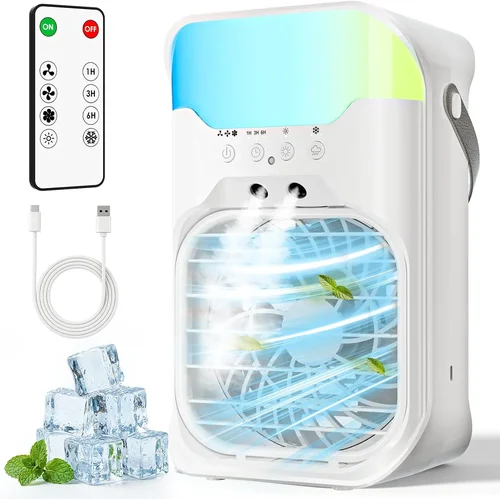
– Entry-Level ($150 – $400): Ideal for small spaces or occasional use. These are typically basic window or portable units with SEER ratings around 10–12. Expect limited features, higher noise levels, and shorter lifespans. Best for renters or those on a tight budget.
– Mid-Range ($400 – $1,500): The sweet spot for most buyers. Includes energy-efficient window units, mid-tier portables, and entry-level ductless systems. Look for SEER 14–18, inverter technology, and smart features. These offer a great balance of performance, efficiency, and value.
– Premium ($1,500 – $5,000): For homeowners seeking long-term savings and comfort. Includes high-efficiency ductless mini-splits and advanced central systems with SEER 20+. These units often feature ultra-quiet operation, zoned cooling, and robust smart controls.
– Luxury ($5,000+): Top-tier systems like geothermal heat pumps or whole-home smart HVAC solutions. These are for those prioritizing sustainability, maximum efficiency, and cutting-edge technology. While expensive upfront, they offer the lowest operating costs and longest lifespans.
Expert Tips for Getting the Best Deal
– Buy during off-season: Prices drop significantly in fall and winter when demand is low. Many retailers offer clearance sales on last year’s models.
– Shop around online and in-store: Compare prices on Amazon, Home Depot, Lowe’s, and specialty HVAC retailers. Online often has better deals, but in-store allows you to inspect build quality.
– Look for Energy Star certification: Units with this label meet strict efficiency guidelines and may qualify for tax credits or rebates.
– Check for bundle deals: Some retailers offer discounts when you buy a thermostat, installation, or maintenance plan with your AC.
– Read real user reviews: Focus on long-term feedback about reliability, noise, and customer service—not just star ratings.
– Negotiate installation fees: Many HVAC companies will lower labor costs if you ask, especially during slow periods.
– Consider financing options: Some brands and retailers offer 0% APR financing for 12–24 months, making premium units more accessible.
– Test before you buy (if possible): For window or portable units, visit a store to check noise levels, remote functionality, and ease of setup.
Frequently Asked Questions
Q: How much can I really save with an energy-efficient AC?
A: It depends on your current unit and usage, but upgrading from a 10 SEER to a 20 SEER model can reduce cooling costs by 50%. Over 10 years, that could mean $1,000–$2,000 in savings, not including rising electricity rates.
Q: Are inverter ACs worth the extra cost?
A: Yes, especially if you use your AC frequently. The energy savings, quieter operation, and longer lifespan typically justify the higher upfront price within 2–4 years.
Q: Can I install a ductless mini-split myself?
A: While some DIY kits exist, professional installation is strongly recommended. Improper refrigerant handling or electrical work can be dangerous and void warranties.
Q: Do smart ACs really save energy?
A: Absolutely. Features like scheduling, geofencing, and usage tracking help prevent wasted cooling. Some users report 20–30% savings just by automating their system.
Q: How long do energy-efficient ACs last?
A: With proper maintenance, most units last 10–15 years. High-end models with inverter compressors can reach 20 years.
Q: Is a higher SEER always better?
A: Not necessarily. Beyond SEER 20, the efficiency gains diminish, and the cost increases sharply. For most homes, SEER 16–18 offers the best balance.
Q: What’s the difference between EER and SEER?
A: EER measures peak efficiency at 95°F, while SEER reflects average efficiency over a season. SEER is more useful for comparing real-world performance.
Q: Can I use a portable AC in a room without a window?
A: Most portable units require a window or wall vent to exhaust hot air. Some models offer through-wall kits, but they’re less efficient.
Q: Are there tax credits for energy-efficient ACs in 2026?
A: As of 2026, federal tax credits may be available for ENERGY STAR-certified units and heat pumps under programs like the Inflation Reduction Act. Check the IRS website for current eligibility.
Q: Should I replace my old AC even if it still works?
A: If your unit is over 10 years old, uses R-22 refrigerant, or has rising energy bills, replacing it with a high-efficiency model often pays for itself in 3–7 years.
Our Final Recommendations
– Best for Budget-Conscious Buyers: LG LW1222IVSM (12,000 BTU Window Unit) – Excellent SEER 21 rating, Wi-Fi enabled, and quiet operation under $500.
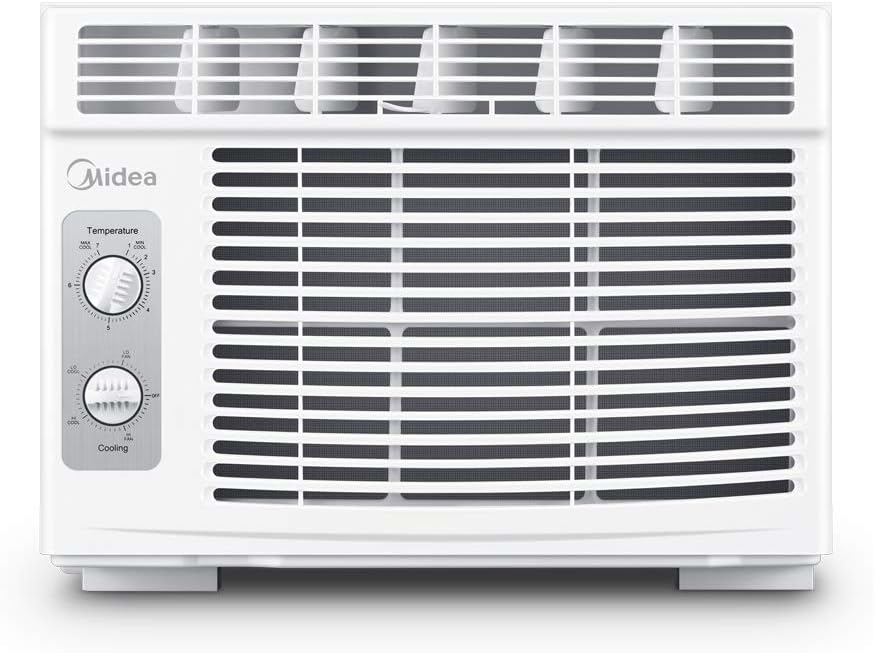
– Best Overall Value: Midea U-Shaped Inverter Window AC – Revolutionary design, ultra-quiet, ENERGY STAR certified, and highly rated for efficiency and ease of use.
– Best Premium Option: Daikin Aurora Series Mini-Split – SEER up to 26, whisper-quiet, smart controls, and superior humidity control for whole-home comfort.
– Best for Beginners: Honeywell MN12CESWW Portable AC – Simple setup, reliable cooling, and good energy efficiency for under $500.
– Best for Advanced Users: Carrier Infinity 26 Heat Pump – Top-tier central system with Greenspeed intelligence, variable-speed compressor, and integration with smart home ecosystems.
Conclusion: Making the Right Choice
Choosing an energy-saving air conditioner is about more than just staying cool—it’s about making a smart, sustainable investment in your home and future. By focusing on efficiency ratings, proper sizing, smart features, and long-term value, you can enjoy reliable comfort while minimizing your environmental impact and utility bills.
Remember, the best AC for you depends on your specific needs: room size, climate, budget, and lifestyle. Don’t rush the decision. Take time to compare models, read reviews, and consult professionals when needed. And always look beyond the price tag to consider total cost of ownership.
With the insights from this guide, you’re now equipped to make an informed, confident choice. Whether you’re cooling a cozy studio or a sprawling family home, there’s an energy-efficient solution that fits. Stay cool, save money, and breathe easy knowing you’ve made a decision that benefits both your wallet and the planet.