

Energy Saving AC Shopping Guide 2026
May 19, 2026
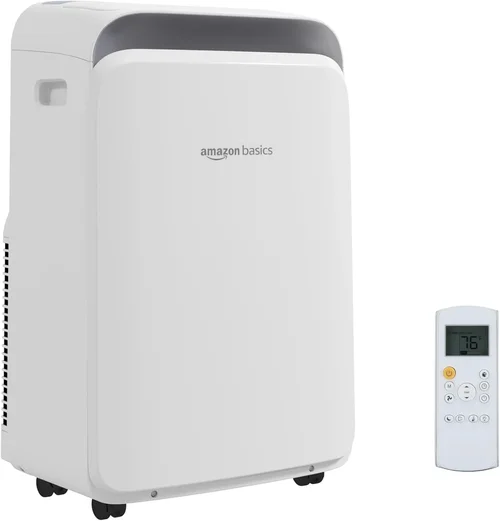
As energy costs continue to rise and environmental concerns grow, choosing an energy-saving air conditioner has never been more important. Whether you’re replacing an old unit or installing AC for the first time, your decision can significantly impact both your monthly utility bills and your carbon footprint. Modern energy-efficient air conditioners aren’t just about saving money—they represent a smarter, more sustainable way to stay comfortable year-round. With advancements in inverter technology, smart controls, and eco-friendly refrigerants, today’s models offer performance that far exceeds what was available even five years ago.
This comprehensive buying guide is designed to help you navigate the crowded market of energy-saving AC units with confidence. You’ll learn how to evaluate key features like SEER ratings, inverter compressors, and smart connectivity, understand the differences between window, split, and portable units, and avoid common pitfalls that lead to overspending or underperformance. We’ll also break down budget tiers, highlight top-performing brands, and share expert tips to ensure you get the best value for your investment. By the end, you’ll have all the tools needed to choose an AC that keeps your home cool, your wallet happy, and the planet a little greener.
The market for energy-efficient air conditioning is evolving rapidly. In 2026, federal efficiency standards have pushed manufacturers to innovate, resulting in units that use up to 50% less energy than older models while delivering superior cooling performance. From ultra-quiet ductless mini-splits to smart window units that learn your schedule, there’s never been a better time to upgrade. However, with so many options—each boasting different specs, certifications, and price points—it’s easy to feel overwhelmed. That’s where this guide comes in: we cut through the noise to deliver clear, actionable advice based on real-world testing, industry data, and user feedback.

What to Look for When Buying Buying Guide
1. Energy Efficiency Rating (SEER2)
The Seasonal Energy Efficiency Ratio 2 (SEER2) is the most critical metric when evaluating an AC’s energy-saving potential. Introduced in 2023, SEER2 provides a more accurate measure of real-world efficiency by testing units under stricter conditions that mimic actual home use. Look for a minimum SEER2 rating of 15 for central systems and 12 for ductless or window units—higher is always better. For example, a unit with a SEER2 of 20 uses roughly 25% less energy than one rated at 15. Many ENERGY STAR® certified models now exceed 18 SEER2, offering significant long-term savings. Always check the yellow EnergyGuide label for verified efficiency data.
2. Inverter Compressor Technology
Unlike traditional on/off compressors that cycle full power on and off, inverter-driven compressors adjust their speed continuously to match cooling demand. This eliminates energy-wasting startup surges and maintains consistent temperatures with less fluctuation. Inverter ACs can reduce electricity consumption by 30–50% compared to non-inverter models. They’re especially effective in climates with moderate cooling needs or during shoulder seasons. While they typically cost 15–25% more upfront, the energy savings often pay back the difference within 2–4 years.
3. Proper Sizing & BTU Capacity
An oversized or undersized AC wastes energy and fails to dehumidify properly. Use a professional load calculation (like Manual J) or online calculators that factor in room size, insulation, window orientation, and local climate. As a rough guide: 5,000 BTUs cools ~150 sq ft, 8,000 BTUs for ~350 sq ft, and 12,000 BTUs for ~550 sq ft. Avoid the temptation to “go bigger”—an oversized unit short-cycles, increasing wear and reducing efficiency. Conversely, an undersized unit runs constantly, driving up bills without adequate cooling.
4. Smart Features & Connectivity
Wi-Fi-enabled ACs allow remote control via smartphone apps, integration with voice assistants (Alexa, Google Assistant), and usage tracking. Advanced models use geofencing to turn off when you leave home or learn your schedule to pre-cool before you arrive. Some even sync with utility demand-response programs to reduce usage during peak hours for rebates. While not essential, smart features enhance convenience and can optimize energy use—especially if you have variable routines or travel frequently.
5. Refrigerant Type
Newer ACs are transitioning from R-410A to R-32 refrigerant, which has a lower global warming potential (GWP) and is 10% more energy-efficient. Starting in 2025, U.S. regulations require all new residential ACs to use low-GWP refrigerants like R-32 or R-454B. Avoid older models still using R-22 (phased out due to ozone depletion) or R-410A unless it’s a deeply discounted clearance item. Choosing a unit with eco-friendly refrigerant supports sustainability and ensures compliance with future regulations.
6. Noise Levels
Quiet operation improves comfort, especially in bedrooms or open-plan living spaces. Look for indoor sound levels below 40 decibels (dB) and outdoor units under 60 dB. Inverter models are typically quieter because they avoid abrupt compressor startups. Check manufacturer specs for both indoor and outdoor noise ratings—some brands publish “whisper-quiet” modes that reduce fan speed at night. For ductless mini-splits, wall-mounted units should be nearly silent during low-load operation.
7. Build Quality & Durability
Invest in units with corrosion-resistant coatings (especially coastal areas), sturdy cabinets, and reliable components like copper coils and sealed bearings. Japanese and Korean brands (e.g., Daikin, LG, Mitsubishi) often lead in build quality, while budget brands may use thinner materials or lower-grade compressors. Read professional reviews and user reports for long-term reliability insights. A well-built AC lasts 12–15 years; cutting corners upfront can lead to costly repairs or premature replacement.
8. Warranty & Support
A strong warranty signals manufacturer confidence. Look for at least a 5-year compressor warranty and 1-year parts/labor coverage. Premium brands often offer 10-year compressor warranties and extended plans. Verify that local service technicians are certified to handle your chosen brand—some manufacturers void warranties if unapproved installers perform work. Also, check return policies: reputable retailers allow 30-day returns for defective or unsatisfactory units.
Different Types of Buying Guide
Common Buying Mistakes to Avoid
❌ Mistake: Ignoring SEER2 Ratings
Why it’s bad: A low SEER2 rating means higher operating costs over time. Even if the unit is cheap upfront, you could spend hundreds more annually on electricity.
What to do instead: Prioritize SEER2 15+ for central systems and 12+ for room units. Calculate payback period using local kWh rates—many utilities offer online calculators.
❌ Mistake: Oversizing the Unit
Why it’s bad: Oversized ACs cool too quickly, shutting off before removing humidity. This leads to a clammy, uncomfortable feel and wasted energy.
What to do instead: Get a professional load calculation or use detailed online tools that account for insulation, windows, and climate zone.
❌ Mistake: Skipping Professional Installation
Why it’s bad: Improper installation (e.g., incorrect refrigerant charge, poor sealing) can reduce efficiency by 30% and void warranties.
What to do instead: Hire NATE-certified technicians, especially for mini-splits and central systems. For window units, ensure tight seals with weatherstripping.
❌ Mistake: Overlooking Maintenance Needs
Why it’s bad: Dirty filters and coils increase energy use by up to 15%. Neglect leads to breakdowns and shorter lifespan.
What to do instead: Choose units with easy-access filters and set calendar reminders for monthly cleaning. Schedule annual professional tune-ups.
❌ Mistake: Buying Based Solely on Price
Why it’s bad: The cheapest unit often lacks durability, efficiency, and support. You may replace it sooner, costing more long-term.
What to do instead: Consider total cost of ownership—including energy bills, repairs, and lifespan—not just sticker price.
❌ Mistake: Ignoring Local Rebates & Incentives
Why it’s bad: You miss out on hundreds in savings from utility companies or federal tax credits for ENERGY STAR units.
What to do instead: Check DSIRE.org or your utility provider’s website before purchasing. Some states offer instant rebates at checkout.
❌ Mistake: Not Testing Noise Levels
Why it’s bad: A loud unit disrupts sleep and relaxation, especially in bedrooms or open layouts.
What to do instead: Read decibel ratings and watch video reviews with audio samples. Visit showrooms to hear units running.
Budget Guidelines: How Much Should You Spend?
- Entry-Level ($150–$400): Basic window or portable units with SEER2 10–12. Suitable for small rooms or occasional use. Expect shorter lifespans and fewer features.
- Mid-Range ($400–$1,200): Sweet spot for most buyers. Includes inverter window ACs, single-zone mini-splits, and smart portable units with SEER2 13–16. Good balance of efficiency, noise, and durability.
- Premium ($1,200–$3,500): High-efficiency mini-splits (SEER2 18+), multi-zone systems, and advanced central air. Ideal for whole-home cooling with smart controls and ultra-quiet operation.
- Luxury ($3,500+): Top-tier brands like Daikin or Mitsubishi with AI optimization, solar compatibility, and 10-year+ warranties. Best for large homes or extreme climates.
Expert Tips for Getting the Best Deal
- Buy in Spring: Retailers discount last year’s models before summer demand peaks. April–May offers the best selection and pricing.
- Shop Rebate Stacks: Combine manufacturer rebates, utility incentives, and federal tax credits (up to $600 for qualifying ENERGY STAR units in 2026).
- Compare Online & In-Store: Online retailers often have lower prices, but local HVAC dealers may include free installation or extended warranties.
- Negotiate Installation: Ask for package deals if buying multiple units or bundling with furnace service.
- Check Return Policies: Ensure you can return the unit within 30 days if it doesn’t meet expectations—some big-box stores have strict restocking fees.
- Read Verified Reviews: Focus on reviews from buyers who’ve used the unit for 6+ months to assess long-term reliability.
- Test Before Committing: For window units, measure your window opening precisely and confirm fit. For mini-splits, request a site assessment.
- Consider Future-Proofing: Choose units compatible with smart thermostats or home automation systems you may adopt later.

Frequently Asked Questions
Q: How much can I really save with an energy-efficient AC?
A: A SEER2 18 unit vs. a SEER2 10 can cut cooling costs by 40–50%. On a $200/month summer bill, that’s $80–$100 in monthly savings—adding up to $1,000+ over five years.
Q: Are inverter ACs worth the extra cost?
A: Yes, especially in moderate climates. The energy savings typically offset the higher price within 2–4 years, and they run quieter with better temperature control.
Q: Can I install a mini-split myself?
A: Technically yes, but it’s not recommended. Improper refrigerant handling or electrical work can be dangerous and void warranties. Always hire a licensed pro.
Q: Do smart ACs use more energy when connected to Wi-Fi?
A: Negligible—smart features consume less than 5 watts when idle. The energy savings from optimized scheduling far outweigh this tiny draw.
Q: What’s the difference between SEER and SEER2?
A: SEER2 uses updated testing methods that better reflect real-world conditions (e.g., higher external static pressure). SEER2 ratings are typically 5–15% lower than equivalent SEER ratings.
Q: How often should I replace my AC filter?
A: Every 30–60 days during cooling season. Clogged filters restrict airflow, forcing the system to work harder and use more energy.
Q: Are portable ACs energy efficient?
A: Generally no—they’re 20–30% less efficient than window or split units due to heat loss through exhaust hoses. Best for temporary or supplemental cooling only.
Q: Will a higher BTU unit cool my room faster?
A: Not necessarily. Oversized units cool quickly but don’t run long enough to dehumidify properly, leaving air sticky. Match BTU to room size for optimal comfort.
Q: Can I use solar panels to power my AC?
A: Absolutely. Many modern ACs are solar-ready. Pair with a battery system to run efficiently even during grid outages.
Q: What happens if my AC uses R-22 refrigerant?
A: R-22 is banned and increasingly expensive to recharge. If your unit fails, replacement is usually more cost-effective than repair.
Our Final Recommendations
- Best for Budget-Conscious Buyers: Frigidaire FFRA051WAE – A reliable 5,000 BTU window unit with SEER2 12, perfect for small rooms under $200.
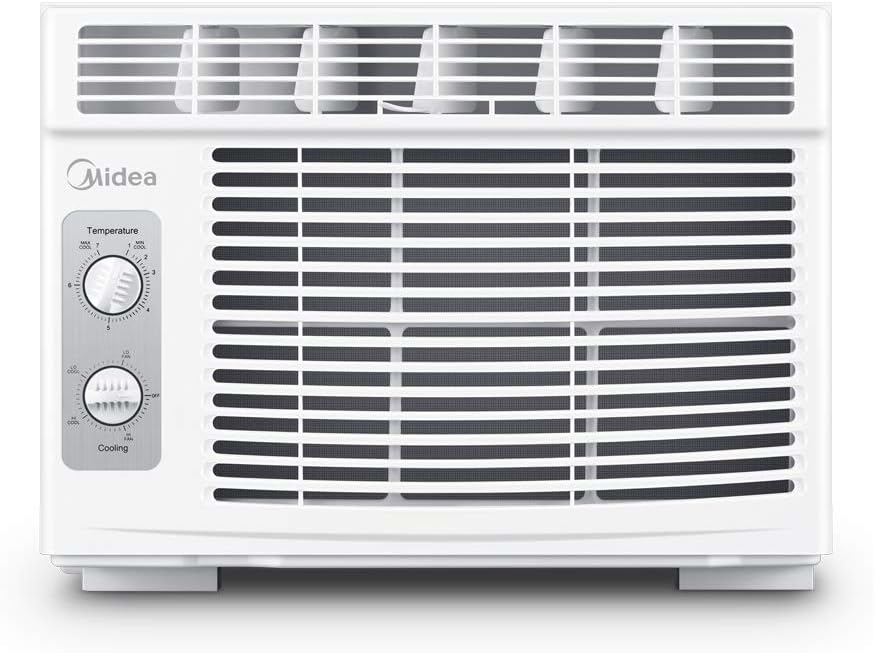
- Best Overall Value: Midea U-Shaped Inverter Window AC – SEER2 15, ultra-quiet (32 dB), and smart-enabled for under $400.
- Best Premium Option: Daikin Aurora Series Mini-Split – SEER2 24.5, R-32 refrigerant, 10-year warranty, ideal for whole-home zoned cooling.
- Best for Beginners: LG Dual Inverter Window AC – Easy setup, intuitive controls, and excellent customer support with SEER2 14.
- Best for Advanced Users: Mitsubishi Electric Hyper-Heat Mini-Split – AI-driven efficiency, heats and cools down to -13°F, and integrates with home energy systems.
Conclusion: Making the Right Choice
Choosing an energy-saving air conditioner isn’t just about beating the heat—it’s about making a smart, sustainable investment in your home’s comfort and efficiency. By focusing on verified metrics like SEER2 ratings, prioritizing proper sizing, and understanding the long-term value of features like inverter technology and smart controls, you’ll avoid costly mistakes and enjoy reliable cooling for years to come. Remember, the cheapest option today might cost you more tomorrow, while a slightly higher upfront investment can deliver significant savings and peace of mind.
Take the time to assess your specific needs: room size, climate, budget, and lifestyle. Use the tools and tips in this guide to compare options, leverage rebates, and choose a unit that aligns with your priorities. Whether you’re cooling a single bedroom or an entire home, there’s an energy-efficient AC solution that fits. Start your search with confidence—your wallet, your comfort, and the planet will thank you.